
Traditional street games are informal, low-cost activities built on simple rules, shared physical space, and repeated play within a community.
Common examples include tag, hopscotch, marbles, and hand-clapping games, all of which depend on quick setup, face-to-face interaction, and easy participation.
Players usually need little equipment, so play can begin almost anywhere, including sidewalks, courtyards, schoolyards, and neighborhood roads.
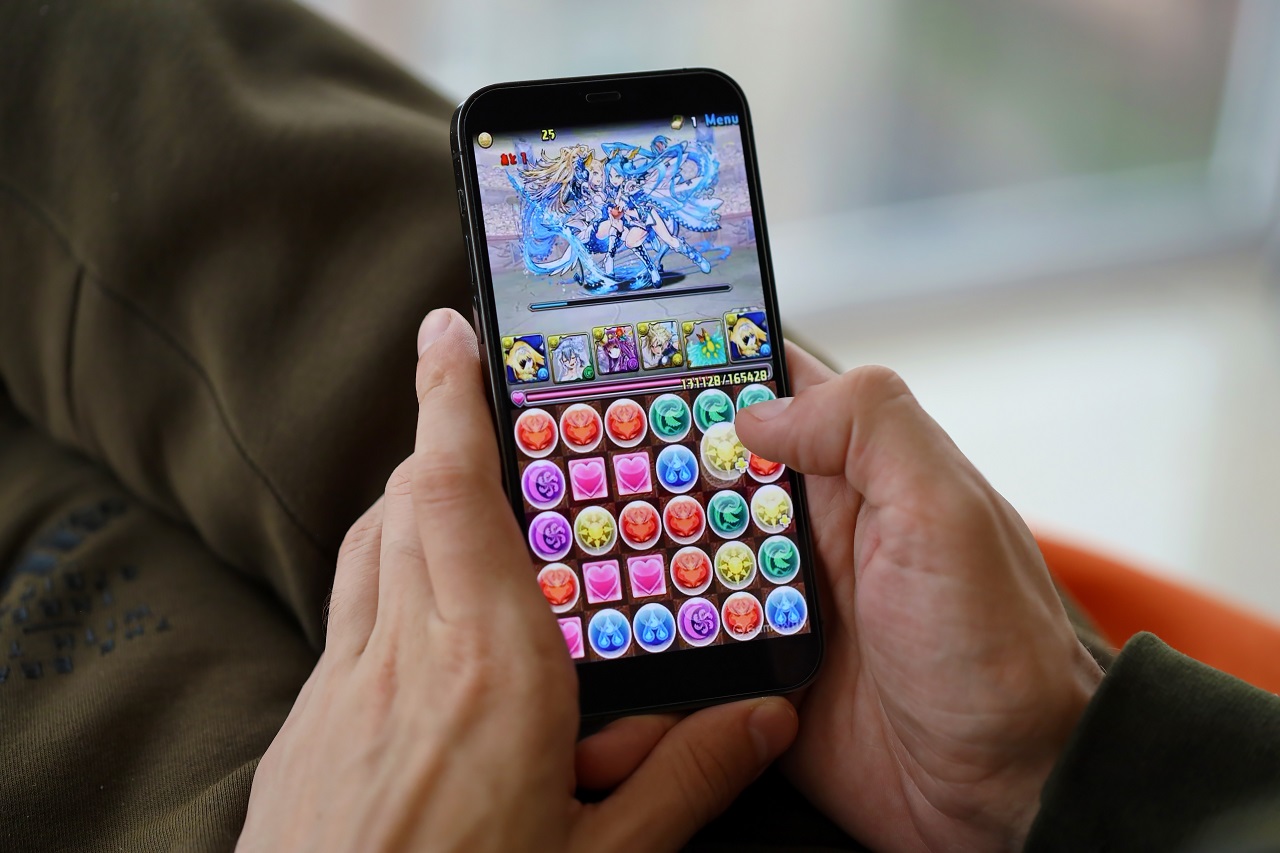
Mobile game platforms modernize these games by preserving their simplicity and social energy while changing how players access and experience them. Smartphones make play immediate, portable, and continuous.
A person no longer needs a group gathered in one place to begin a session.
Instead, a phone, a few spare minutes, and an internet connection can open access to game loops that still rely on repetition, reaction, timing, and comparison with others.
Physical Play Becomes Platform-Based Play

Traditional street games depended on physical gathering, flexible rules, and whatever open space happened to be available.
Children and neighbors adjusted game rules in real time, worked around traffic or obstacles, and relied on direct human presence to keep the activity going.
Social coordination was part of the game itself because play could not happen without people showing up in person.
Mobile platforms translate that accessibility into digital form through instant access on a personal device.
A useful example is color game live perya, which takes a traditional carnival color game and turns it into a digital format that players can access on mobile devices with quick, repeatable rounds.
Play can happen at home, during a lunch break, while waiting in line, or during short gaps in a daily schedule.
A mobile game session can begin in seconds, pause just as quickly, and resume later without much friction. That convenience updates the old pick-up-and-play format that street games depended on.
Several everyday situations show how easily mobile play fits into modern routines:
- at home during short breaks
- while waiting in line
- during a lunch break
- in small gaps between daily tasks
Micro-moments of leisure are especially important here. Many older entertainment forms ask for longer, uninterrupted attention.
Mobile games fit small stretches of free time, which makes them highly effective as replacements for activities that need a longer block of focus. A courtyard or neighborhood road is no longer necessary.
A smartphone and internet access now supply the space, the rules, and the opponents or challenges.
Classic Street-Game Logic Survives in Modern Mobile Design
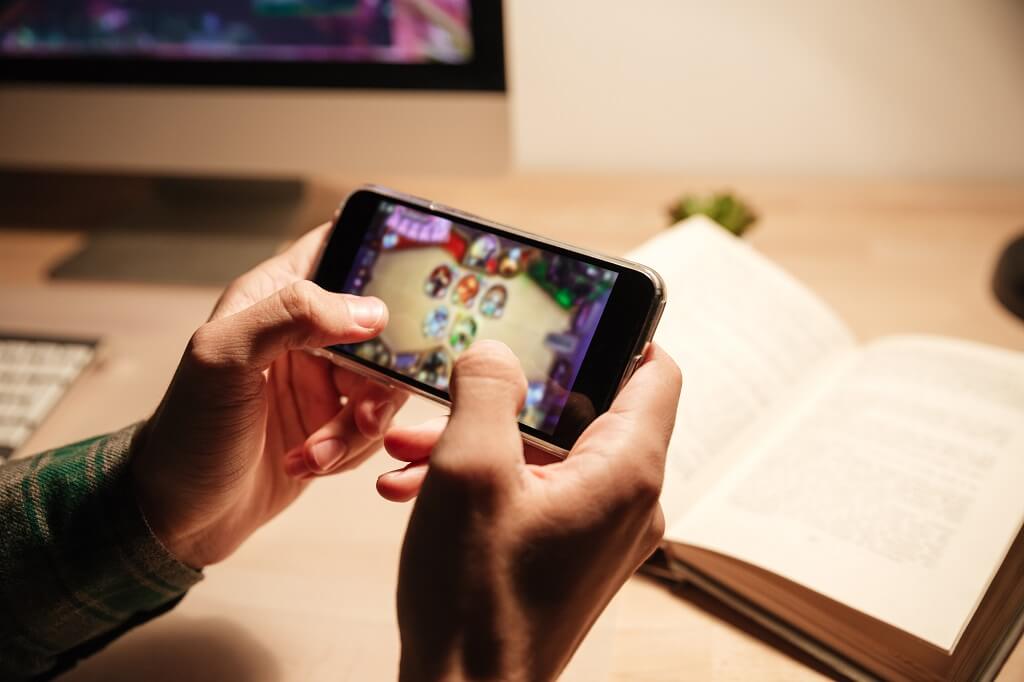
Core design traits of street games still appear in many successful mobile games. Several of those traits are central to the argument:
- simple mechanics
- fast replay ability
- escalating challenge
- skill through repetition
- social comparison
Simple mechanics make the activity easy to learn. Fast replay ability invites immediate repetition after failure or success.
Escalating challenge keeps players testing their skills. Repetition builds mastery. Social comparison pushes players to improve, especially when scores and rankings are visible.
Mobile design often succeeds by taking a straightforward game loop and surrounding it with modern interface systems, live content, and structured progression.
A player may tap, swipe, match, run, throw, or time actions with only a few inputs, yet the surrounding platform can add goals, timed events, unlockable content, and long-term retention systems.
Basic play stays intuitive, while additional layers encourage frequent return.
Retention-focused design strengthens this model. Modern mobile platforms often keep core gameplay easy to grasp because simplicity supports repeat sessions across a wide audience.
Around that simple loop, developers add live events, loyalty systems, and seasonal updates that keep the experience active over time.
Classic games still inspire mobile design because repeated action, visible improvement, and social comparison remain powerful foundations, even when the surrounding platform becomes much more sophisticated.
UX and Interface Design Turn Simple Play into Sticky Engagement
Mobile platforms modernize old play formats through user experience design, not only through digitization.
Street games once relied on direct human reactions such as:
- laughter
- cheering
- teasing
- visible approval
Mobile games recreate and intensify that feedback through interface systems that respond instantly to player actions.
A few design elements show how short sessions become more satisfying:
- animations
- sounds
- vibrations
- unlockable levels
- themed challenges
- daily login incentives
Animations, sounds, and vibrations make each tap or move feel significant. Unlockable levels create a visible sense of progress. Themed challenges give short-term goals that refresh the experience.
Daily login incentives reward routine participation, even during very short sessions.
A strong feedback loop grows out of those systems.
Players act, receive a response, gain progress, and return for another attempt. Street games offered immediate social feedback in person.
Mobile platforms amplify that feedback through visual cues, audio effects, haptic responses, and persistent progress markers that stay visible across sessions.
Artificial intelligence and machine learning add another layer to this process.
Developers now use these tools not only for gameplay behavior but also for personalized player experiences and faster content creation.
Familiar game loops can therefore feel fresher for longer periods because the platform can adapt content, offers, pacing, and challenges to match player habits more closely.
Social Play Expands Past the Street Corner
Traditional street games were local and face-to-face.
Social interaction depended on physical presence, neighborhood relationships, and shared time in the same place.
A game session usually involved only the people who happened to be nearby, which made participation immediate but also limited in scale.
Mobile platforms expand that social structure into persistent digital networks. Participation is supported through features such as:
- leaderboards
- player statistics
- daily challenges
- community events
Leaderboards, player statistics, daily challenges, and community events let players compare performance and feel connected to others without needing to gather physically.
Participation can happen asynchronously, so one person plays in the morning while another joins later, yet both still take part in the same competitive or communal system.
Many mobile games also create social connections without intense direct competition.
A player can feel part of a larger group through shared events, rankings, and progress systems while still playing at a personal pace.
That shift matters because it updates the neighborhood model of street play into a digital system that can include people across many regions and devices.
Social gaming environments are also becoming more layered and persistent.
Commercial and community features increasingly merge into spaces where players socialize, compete, collect rewards, and participate in shared events over long periods. Local play no longer ends at the edge of a street or schoolyard.
Platform-based sociality can continue every day through connected systems that keep players aware of each other’s activity.
Technology Makes Old Play More Immersive and Accessible
Mobile platforms do more than copy the logic of street games.
New technical systems make that logic more immersive, connected, and accessible.
Augmented reality and virtual reality can place players inside more interactive environments, turning simple play concepts into experiences with stronger visual presence and sensory involvement.
Recent technical changes make that modernization clearer:
- AR and VR create more immersive interactive environments
- 5G supports low-latency, high-speed gameplay
- cloud-based gaming reduces dependence on expensive hardware
- cross-platform systems allow play across multiple device types
Fifth-generation mobile networks also improve gameplay by reducing lag and supporting faster, more responsive interaction.
Low-latency performance matters in games built on:
- Timing
- Reaction
- Coordination
- Live competition
Better connectivity helps mobile platforms feel smoother and more dependable, which strengthens the value of short, repeatable play sessions.
Cloud-based gaming expands access by letting players stream games without expensive consoles or high-end hardware.
Processing can happen through remote systems instead of relying entirely on the device in a player’s hand.
Edge and cloud support can also reduce latency and improve continuity across devices, which helps mobile games feel more seamless during active play.
Cross-platform experiences add another important step in modernization.
Games can now operate across phones, tablets, wearables, and other connected devices. A play format that once depended on one local space can now exist across multiple hardware setups with fewer barriers to entry.
Traditional street-game logic becomes more portable, more visually advanced, and more accessible to a wider range of users.
Mobile Platforms Add Persistence, Progression, and Personalization

Street games usually ended when a session ended. Progress existed mainly in memory, reputation, or temporary scorekeeping among nearby players.
Once everyone went home, the game often stopped until the next gathering.
Mobile platforms preserve the same core loops while extending them into ongoing systems that continue across days, weeks, and months.
Ongoing engagement is built through platform features such as:
- unlockable levels
- themed challenges
- daily login incentives
- live operations events
- personalized offers
- loyalty systems
Unlockable levels, themed challenges, daily login incentives, live operations events, personalized offers, and loyalty systems create a sense of continuity and accumulation. Players do not simply start over every time.
Instead, they build progress, collect rewards, unlock content, and develop habits tied to the platform. Repetition still matters, yet each return can add to a longer record of participation.
Retention and lifetime value now shape many development priorities.
Studios often build long-term progression systems that encourage repeated return through personalization and scheduled content updates.
Familiar mechanics stay at the center, but the surrounding platform keeps extending the life of the experience through timed rewards, content refreshes, and player-specific incentives.
Duration therefore becomes a major part of modernization.
Temporary local play turns into sustained platform engagement.
A simple game once tied to one moment and one place now exists as a continuing activity supported by data, progression systems, and personalized design choices that keep players involved over time.
Summary
Mobile game platforms modernize traditional street games by carrying forward simple rules, repeatable play, and communal energy while enhancing them through feedback-heavy UX design, persistent progression, social connectivity, personalization systems, and cross-device technical support.
Core play does not disappear. Instead, it becomes part of a larger platform structure that keeps access immediate and participation ongoing.
