

Construction delays happen on many jobsites, but better planning and preparation can reduce many of them.
Delays usually do not appear all at once. Small problems can build over time until they create major schedule setbacks.
A missed approval, a late material order, an unclear drawing update, or a delayed inspection may seem manageable at first.
After several of these issues stack up, crews can lose days or weeks of productive time.
Prepared crews look for risks early, keep communication clear, track jobsite activity in real time, and create backup plans before work is blocked.
Strong preparation does not remove every delay, but it gives teams more control when problems appear.
Common Causes of Construction Delays
Missed planning details, weak coordination, late materials, labor gaps, broken equipment, and weather disruptions can slowly push a project off schedule.
Small issues often connect, so one delay can block several crews, inspections, deliveries, or handoffs.
Equipment Problems
Broken machinery, unavailable tools, late rentals, or poorly maintained equipment can delay excavation, lifting, concrete work, hauling, grading, and other key activities.
Preventive maintenance reduces the chance of unexpected downtime. Crews should inspect equipment regularly, track service needs, and address small issues before they turn into full breakdowns.
Rental backup options should also be identified for critical equipment.
Equipment planning should be tied to the schedule. If a crane, lift, loader, or specialty tool is needed for a key task, teams need to confirm availability before the task begins.
Waiting until the last minute can leave crews idle while equipment is repaired, delivered, or replaced.
A practical equipment plan should name the machine needed, the task it supports, the required date, the responsible person, and the backup rental option.
Furthermore, fuel access should also be part of equipment planning. Construction equipment, generators, jobsite tanks, and fleet vehicles can lose productive time when crews have to leave the site for fuel or wait for refueling support.
Services such as Anytime Fuel Pros can help crews schedule on-site fuel delivery, DEF delivery, and fuel tank rentals so equipment stays ready for critical work.
Poor Planning and Unrealistic Schedules
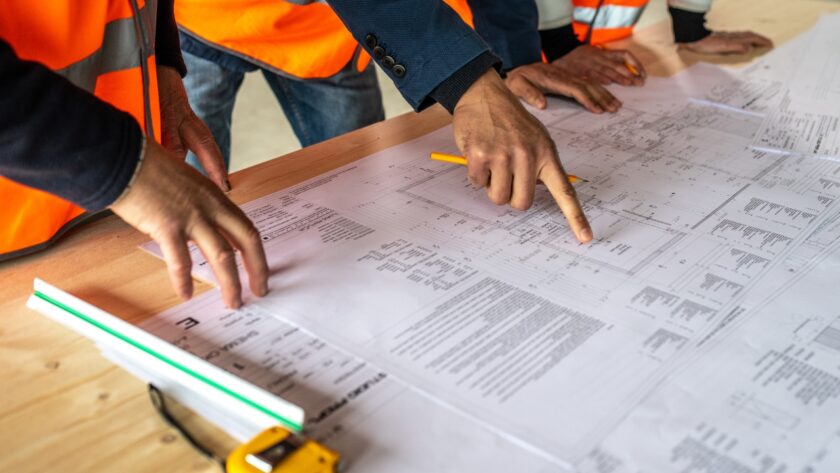
Poor planning is one of the most common reasons construction projects fall behind schedule.
A schedule may look workable on paper but fail once real job-site conditions are considered.
Weather, inspections, approvals, trade sequencing, site access, material lead times, and crew availability all need to be built into the plan.
Crews may be expected to complete tasks without enough time for: When one task takes longer than expected, every connected task can shift. Trade sequencing also creates problems when it is not planned carefully. A crew may arrive before the prerequisite work is finished. Materials may show up before the site is ready to store or install them. Inspectors may not be scheduled early enough, leaving completed work waiting for approval. These planning gaps can cause idle time, rushed work, and added costs. Critical materials, custom items, steel, fixtures, and specialty products may be delayed in warehouses, ports, or transit. When needed materials are not on site, crews may have no productive work available. Long-lead items require early ordering and close tracking. Critical materials should be ordered 30 to 60 days earlier than pre-pandemic timelines required. Crews also need visibility into shipping confirmations, vendor updates, delivery dates, and storage needs. Material delays become most damaging when they affect work that other trades depend on. A late steel delivery, missing fixture package, or delayed custom component can hold up several crews at once. Backup suppliers and alternate work sequences can help reduce downtime when deliveries are late. Poor communication can create idle time, mistakes, rework, and schedule confusion. Field crews, office staff, subcontractors, suppliers, owners, and inspectors all need access to current information. When updates are scattered across texts, emails, phone calls, and informal conversations, teams may work with outdated or incomplete details. Outdated drawings are a common source of delay. A crew may install materials based on an old plan, only to learn later that a change was approved. Removing and replacing incorrect work wastes labor, materials, and schedule time. Unclear responsibilities also slow projects. If nobody knows who owns an approval, delivery, inspection, or handoff task, it can sit unfinished. Centralized documents, daily reports, updated schedules, issue tracking, and progress photos help teams stay aligned. Real-time visibility helps crews and managers act faster. Better communication helps crews catch problems early instead of reacting after delays have already grown. Rain, snow, extreme heat, freezing temperatures, hurricanes, high winds, and muddy site conditions can stop work or reduce productivity. Some site conditions may also appear after work begins, such as poor soil, drainage problems, or hidden underground conflicts. Weather planning should match regional risk. Crews working in Florida should plan around hurricane season. Crews in Minnesota should prepare for winter conditions, cold temperatures, snow, and ice. Weather buffers should be included in the schedule before work starts, not added after delays already occur. Alternate work plans can reduce lost time when the weather blocks outdoor tasks. If exterior work cannot continue, crews may shift to indoor work, inspections, layout, staging, documentation, or preparation for upcoming activities. Weather delays also need strong documentation. Accurate records can show exactly what happened on each date and why work could not continue. Delays cannot always be avoided, but their impact can be reduced when teams plan early, communicate clearly, track progress, and keep backup options ready. Good preparation also makes delays easier to prove and manage. Clear records, current schedules, and real-time jobsite data help teams respond with facts instead of guesses. Project teams should identify high-risk tasks, long-lead materials, approval requirements, inspection needs, access limits, and scheduling conflicts early. Planning should be based on actual job-site sequencing instead of ideal conditions. Early planning should answer several practical questions: Contingency time should be added to the schedule for likely delays. Weather, inspections, material deliveries, design questions, and trade coordination all need realistic time allowances. A schedule with no buffer can fall apart as soon as one task slips. Field and operations teams should be involved early because they often see constraints that office teams may miss. They can identify access problems, crew flow issues, equipment needs, site storage concerns, safety conflicts, and sequencing risks before work begins. Projects should have backup suppliers, subcontractors, equipment vendors, and labor contacts ready before problems appear. Critical materials should have alternate sourcing options when possible. If one supplier cannot deliver on time, another vendor may be able to fill the gap. Crews should also know which materials are hardest to replace and which items need the most lead time. Alternate work sequences are also important. If one task cannot continue, teams should know which activities can be done in parallel. Crews may be able to shift to layout, prep work, inspections, staging, cleanup, indoor work, or another section of the project. Pre-qualified subcontractors can also reduce delay risk. When a scheduled subcontractor cannot perform, a prepared team can contact another approved option quickly instead of starting the search after the schedule is already slipping. Construction delays cannot always be avoided, but crews can reduce their impact with better preparation. Strong planning, clear communication, real-time tracking, accurate documentation, and backup resources help teams stay flexible when problems appear. Prepared crews do not expect every task to go perfectly. Instead, they identify risks early, monitor progress closely, and respond before small issues grow into major schedule and budget problems.
Material and Supply Chain Delays

Poor Communication
Weather and Site Conditions
How Crews Can Prepare Better

Plan for Delays Before Work Starts
Keep Backup Options Ready

Summary
