
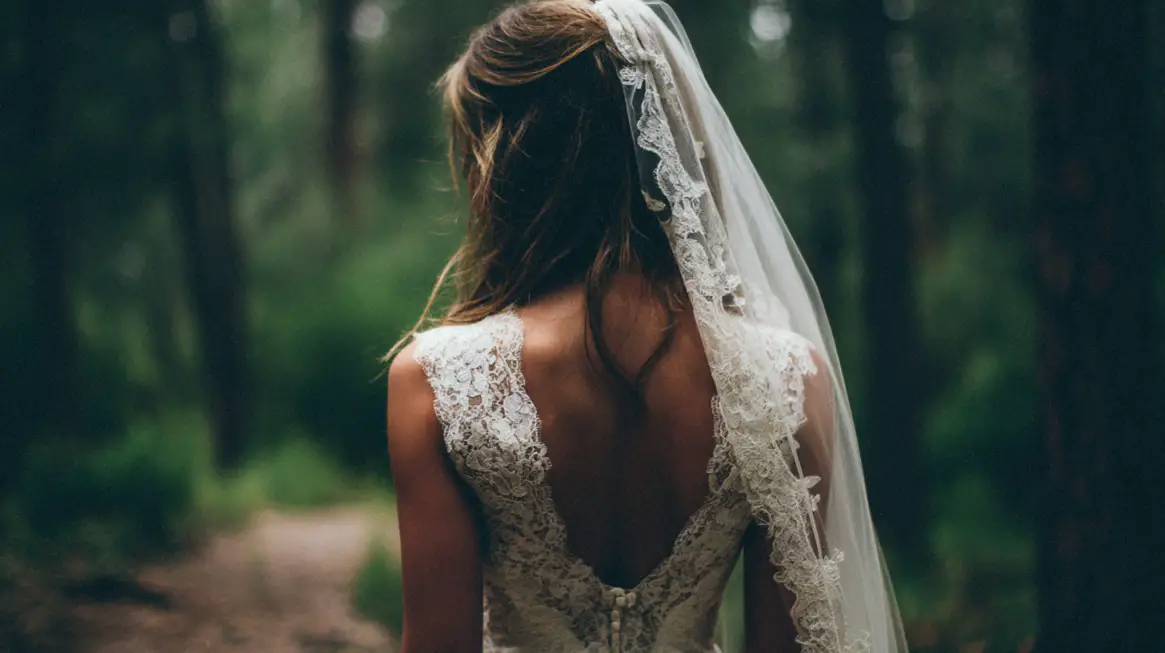
Modern bridal fashion moves with fresh confidence, giving brides space to show personality and style-forward vision.
More freedom, more attitude and more intention shape current choices, turning wedding looks into statements that feel personal rather than traditional by default.
Of course, engagement rings often start the excitement early, and many brides now want dresses that echo that same sense of self-expression.
Brides gravitate toward silhouettes, colours and details that reflect how they want to feel on their day.
Seven dress-trends guide this new direction, and each one helps create a look with presence, comfort and individuality in mind.
1. Sculpted Bodices & Corsetry
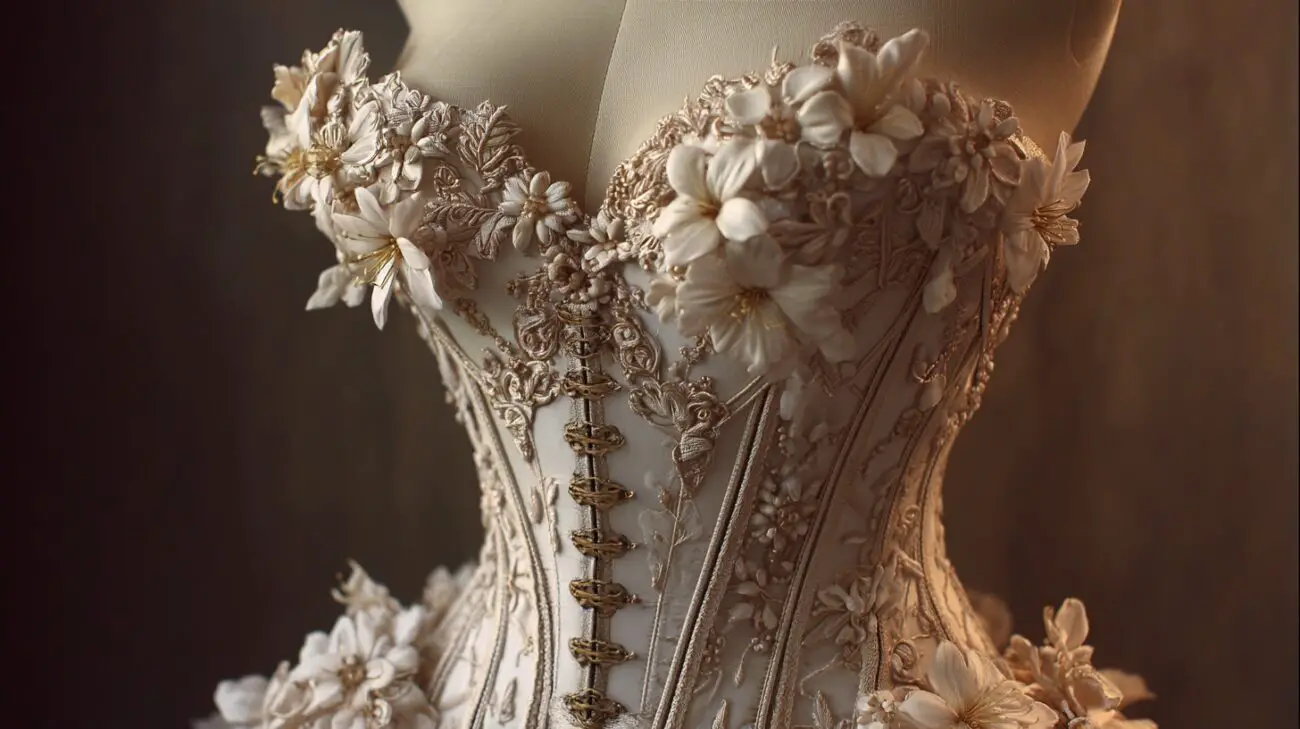
Sculpted bodices bring sharp structure, polished shaping and a confidently defined waist. Corsetry highlights natural curves while keeping elegance intact, making it ideal for brides who enjoy a blend of classic craftsmanship and modern attitude.
Strong architectural lines create a clean, refined silhouette that feels powerful without losing softness.
Longer descriptions allow extra detail here, so a few key qualities deserve emphasis in a short list announced beforehand.
- Precise boning that shapes without discomfort
- Waist emphasis that flatters a wide range of figures
- Strong structure balanced with soft draping or fluid skirts
Styling considerations benefit from careful planning, so a few points can guide you.
- Soft inner fabrics help maintain comfort
- Supportive construction reduces the need for heavy undergarments
- Coordinated textures keep focus on the bodice rather than overwhelming it
A structured top works beautifully with minimal jewellery or a clean skirt, giving space for silhouette artistry to shine.
2. Off-the-Shoulder & Bold Necklines
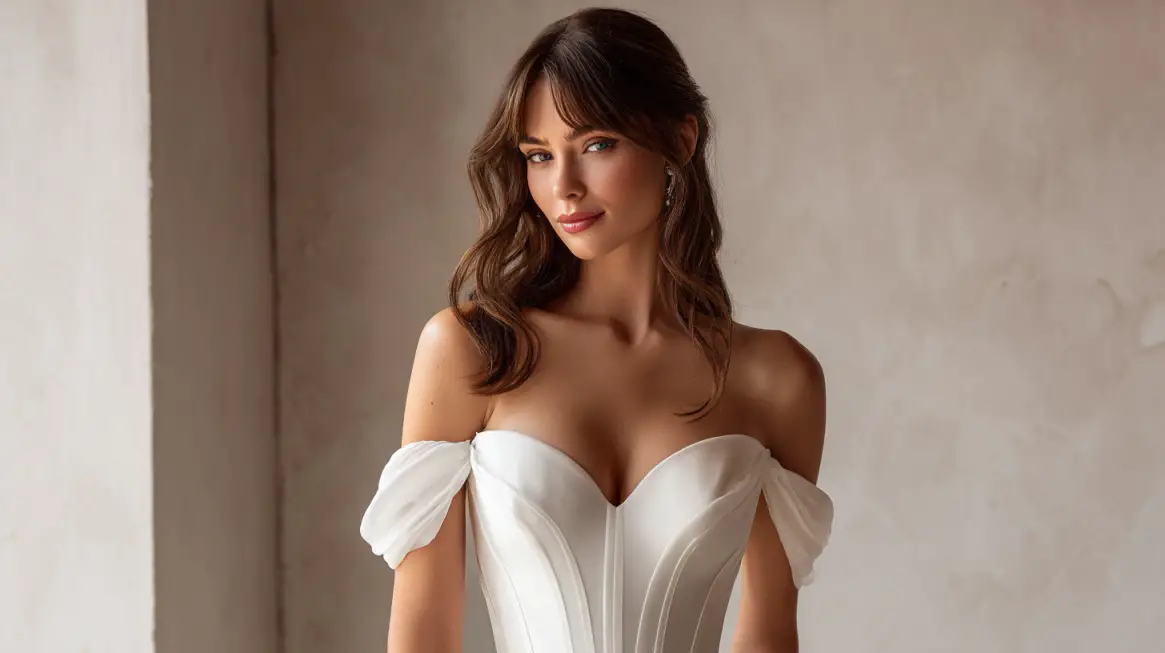
Off-the-shoulder styles, sculpted halters, plunging V cuts and graphic necklines offer openness and confidence.
A little exposed skin keeps the look refined while adding a modern edge.
Brides appreciate how these lines frame the collarbone, elongate the neck and support a graceful posture.
Styling considerations rely on balance, so a few points help shape decisions.
- Proportion matters; choose a neckline that aligns with your shoulder width
- Jewellery should enhance rather than overshadow; smaller pieces often work best
- Sleeve style must complement the neckline so the overall look stays harmonious
3. Dramatic Trains, Hemlines & Silhouette Twists
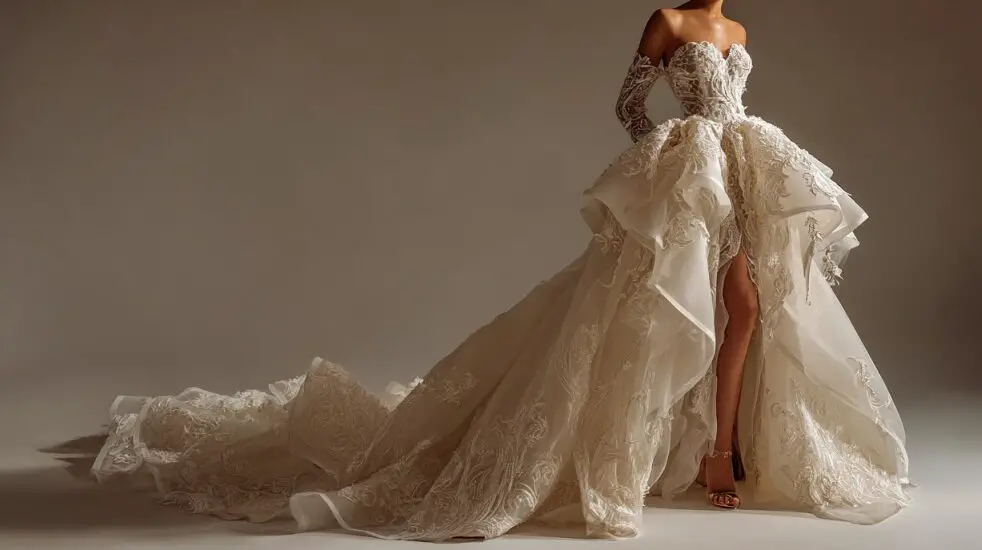
Extra-long trains, thigh-high slits, mini lengths, modified ball gowns and drop-waist shapes give dresses surprise and movement.
Brides gravitate toward dual-purpose options that feel dramatic for the ceremony yet comfortable for an energetic reception.
Modern silhouettes invite playful shifts, sometimes creating two looks in one.
Styling considerations should focus on practicality, so a few clear points help guide the choice.
- Train length must align with your venue’s floor plan and space
- Footwear should support ease of movement, especially on stairs or uneven ground
- A second-look option, such as a detachable overskirt, offers instant transformation
4. Non-traditional Colour & Separates
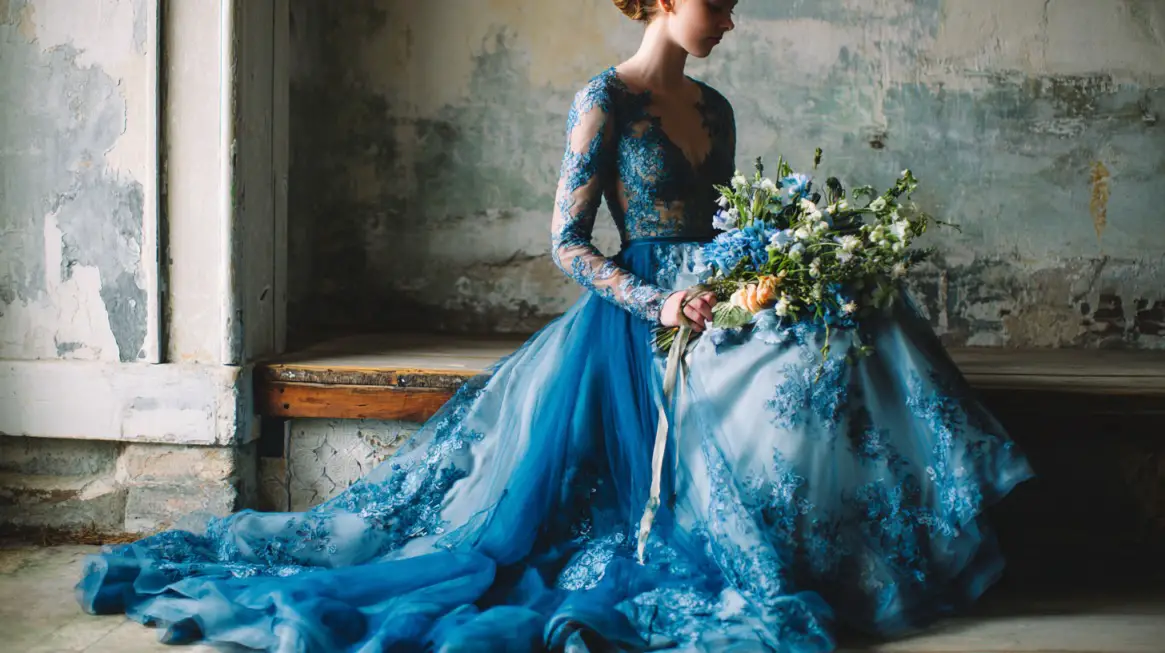
Blush, champagne, soft pastels and deeper tones give brides broader creative options.
Separates or two-piece outfits introduce more styling freedom, letting you mix textures, tones and silhouettes in ways that feel expressive.
Styling considerations depend on tone and atmosphere, so a few bullet points help clarify options.
- Colour selection should suit the season and décor
- Accessories must enhance the chosen tone, not clash with it
- Decide how subtle or bold your palette should feel based on your wedding vibe
5. Texture, Embellishment & Modern Details
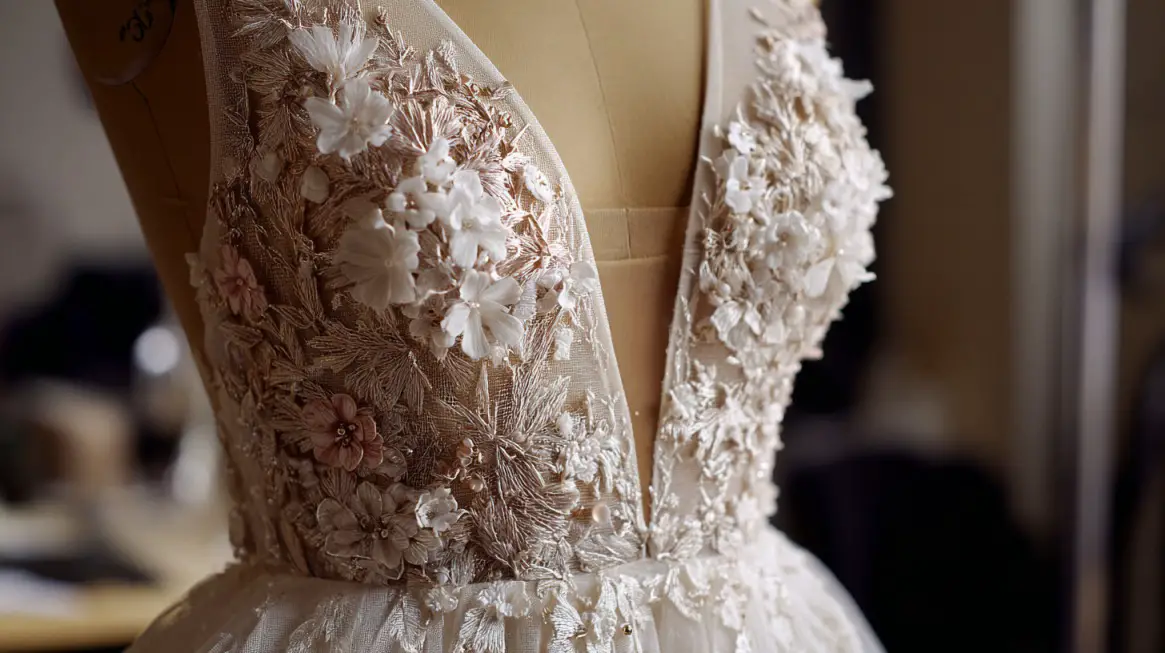
Textural design has gained major traction as brides look for gowns with depth, artistry and dimension.
Three-dimensional florals add softness and movement, pearls bring polish and sculpted appliqués create drama without heaviness.
Graphic beading introduces pattern play, while cut-outs offer contrast through light and shadow. Innovative fabrics such as pleated tulles, structured organza or micro-textures give dresses a modern identity rooted in craftsmanship rather than volume alone.
- Visual depth that enhances both close-up and full-length images
- Opportunity to highlight areas of the dress intentionally, such as sleeves or bodice
- Added interest that doesn’t depend on silhouette changes
Styling considerations require restraint, so a balanced approach helps maintain sophistication.
- Accessories should remain minimal to avoid visual overload
- Comfort matters; check how embellishments feel against your skin
- Intricate fabrics often pair best with simpler hairstyles or jewellery choices
- Shoes with smooth surfaces prevent snags on highly textured hems
- Makeup should stay clean and polished to keep attention on detail work
6. Headwear & Elevated Bridal Accessories
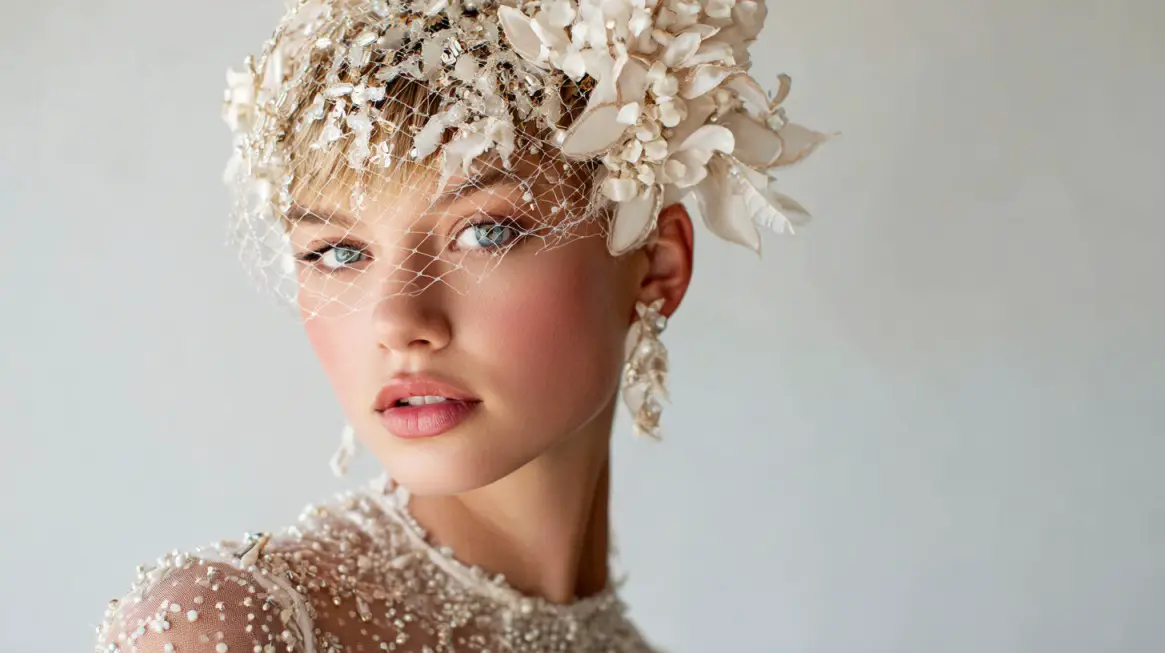
Headwear and accessories now play a major role in shaping bridal identity. Veils create softness or drama depending on length and trim.
Hoods and headscarves bring fashion-focused energy with an editorial feel.
Structural bows add sculptural charm, while detachable sleeves, capes or shoulder pieces allow instant transformation for different parts of the day.
Bold accessories give brides freedom to shift mood without stepping out of their gown, making styling more fluid and expressive.
- Easy transitions between ceremony, photos and reception
- Additional character added to simple dresses
- Strong visual framing for portraits
Styling considerations focus on cohesion, so a few concise points can assist.
- Headwear should match your hairstyle and the mood of your venue
- Detachable pieces offer quick outfit changes for new moments in the day
- Accessories should enhance your silhouette rather than compete with it
- Scale matters; larger pieces work best with clean gowns
- Lighter materials prevent discomfort during long wear
7. Sustainable, Personalised & Multifunctional Looks
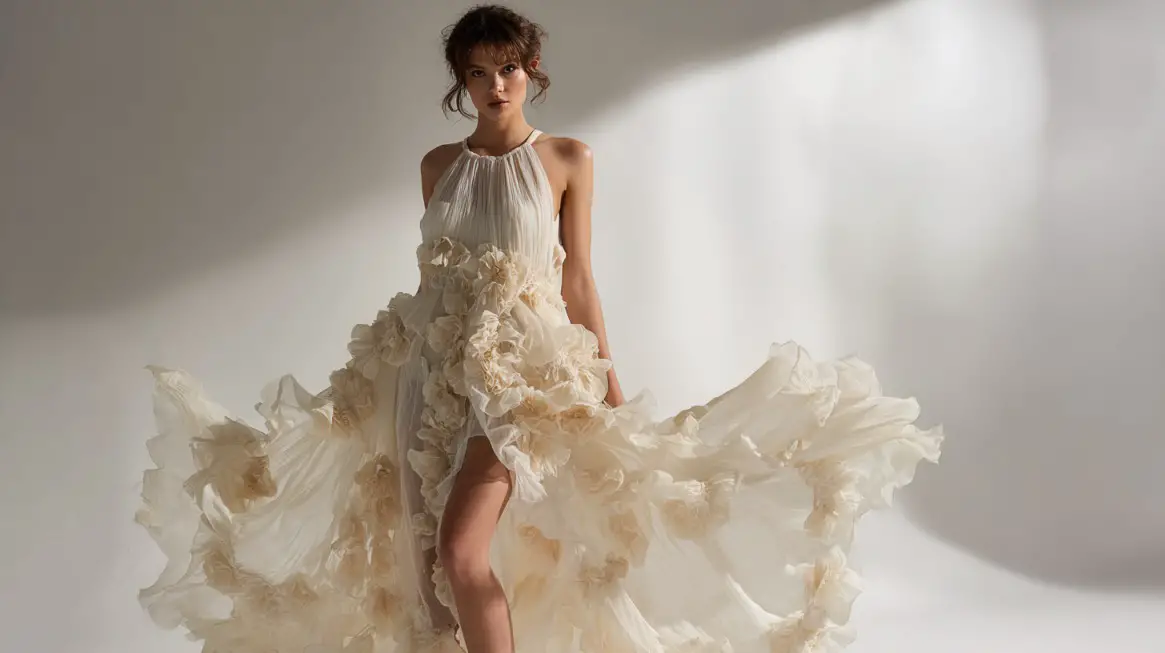
Modern brides take interest in thoughtful dress choices, seeking fabrics produced responsibly, designers with transparent practices, and gowns that continue life after the wedding.
Pieces that can shift shape, such as removable sleeves, overskirts or capes, offer flexibility for events before or after the ceremony.
Multifunctional elements let brides create two or three looks within a single outfit while reducing the need for multiple gowns.
Preference also leans toward styles that can be shortened or re-coloured for future occasions, blending sentiment with practicality.
- Ask about fabric origins if sustainability matters to you
- Plan alterations that allow future re-wear
- Customised elements should reflect your taste and comfort preferences
If you’d like, I can now expand any individual section further or help you polish tone, structure or flow.
Final Thoughts
Seven trends reveal a shift toward individuality, comfort and style-focused choices.
Brides can use these ideas as inspiration while staying true to personal taste, body comfort and the story they want their wedding look to express.
Start trying dresses with an open mind, experiment with silhouettes and textures, collect fabric samples and explore accessories or transition pieces that help shape a memorable look.
