
The Cambridge SPARK Incubator plays a pivotal role in transforming student startup ideas into operational ventures by offering tailored mentorship, early-stage funding, access to university resources, and exposure to investors.
In 2025, it continues to serve as one of the most influential university-led startup ecosystems in the UK, bridging academic innovation with commercial viability.
The incubator specifically targets students with technically sound ideas but limited business experience. Then it surrounds them with the mentorship and resources needed to navigate product-market fit, financial modeling, and user validation.
Core Offerings of the Cambridge SPARK Incubator in 2025
| Feature | Description | Value to Student Founders |
| One-on-one Mentorship | Assigned industry veterans based on startup type | Helps avoid common early-stage pitfalls |
| Pre-Seed Funding | Up to £15,000 in non-dilutive grants per team | Enables MVP development and testing |
| Legal & IP Clinics | In partnership with Cambridge Enterprise | Assists in securing patents and structuring equity |
| Technical Validation Labs | Access to Cambridge’s research facilities and computing clusters | Speeds up R&D for deep-tech and AI startups |
| Investor Access Days | Quarterly demo events with UK VCs and angel networks | Streamlines access to serious follow-on funding |
| Tailored Workshops | Business model design, growth hacking, data privacy compliance | Skill-building that’s immediately applicable |
One-on-one Mentorship is not just about occasional advice. Founders are paired with mentors who often have startup exits or are active investors themselves. Mentors meet weekly, helping refine everything from pitch narratives to customer acquisition strategy.
Many of these mentors stay involved well beyond the program, even joining as advisors or angel investors once trust is built.
Pre-seed funding is disbursed in tranches, tied to specific development milestones, such as customer interviews completed, prototype iterations, or beta launches.
The non-dilutive nature of the grant gives student teams crucial breathing room without the pressure of immediate equity negotiations, allowing them to focus on building rather than pitching.
Legal & IP Clinics run through Cambridge Enterprise, offering expert support in an area where many students struggle. These clinics help teams evaluate whether to patent, publish, or keep proprietary information under trade secrets. Founders receive template agreements, startup incorporation advice, and support for equity splits – all tailored to early-stage teams.

Technical Validation Labs are a major asset for science-based startups. Founders can use lab equipment, GPU clusters for AI models, or even collaborate directly with university researchers.
Access to such resources – often prohibitively expensive outside academia – is critical for sectors like biotech, cleantech, and machine learning, where hardware and data needs are high.
Investor Access Days function as focused demo days but with an edge. Unlike large public events, these are curated pitch sessions where the incubator team invites investors aligned with the startup’s vertical.
Founders often receive pitch coaching in advance, and some teams walk away with soft commitments or term sheets immediately after presenting.
Tailored Workshops change quarterly and are led by successful alumni, guest experts from the startup ecosystem, or domain-specific consultants.
For example, a health tech track might feature sessions on navigating NHS procurement processes, while a fintech cohort gets crash courses in FCA compliance or sandbox testing.
Real Impact: How SPARK Alumni Built Scalable Startups
The SPARK Incubator isn’t just helping students build prototypes – it’s launching companies. In 2024 alone, 28 student-led startups exited the incubator and collectively raised over £12.5 million in external funding within their first year of graduation from the program. Notable examples include:
- NanoFix Medical – a med-tech startup that developed biodegradable surgical glue now in clinical trials.
- LoopMind – an AI company that applies LLMs to optimize software testing, now piloted with major UK fintechs.
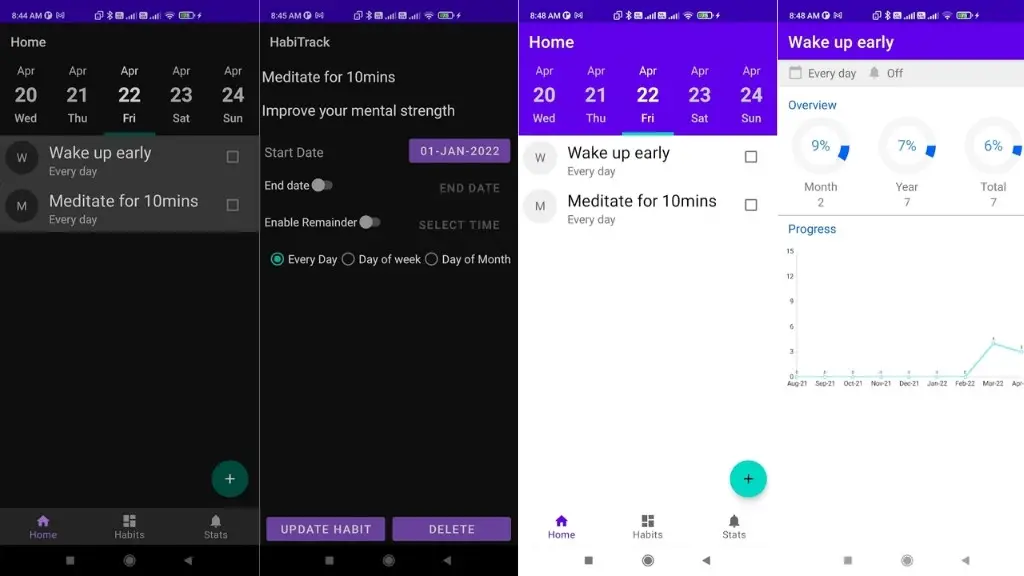
- HabiTrack – a behavioral analytics app spun out of a psychology PhD project that has over 150,000 users across Europe.
Each of these began as class projects, refined and matured through SPARK’s rigorous early-stage support process.
The Role of Academic Integration

What distinguishes SPARK is its tight integration with Cambridge’s faculties. Professors often serve as technical co-founders, PhD students run experiments in university labs, and business students from Judge Business School help with financial modeling. This cross-disciplinary collaboration is structured, not incidental.
In 2025, SPARK launched its “Academic Sprint” initiative, where selected ideas receive 8-week intensive validation in collaboration with university departments. For instance, a startup working on quantum computing can now receive real-time feedback from researchers at the Cavendish Laboratory during their prototyping phase.
A growing number of SPARK startups in 2025 are leveraging tools like WritePaper to turn their thesis work into business-grade white papers, investor decks, and user manuals. Especially in med-tech, clean energy, and bioinformatics – where documentation is often a regulatory requirement – services that bridge academic writing with business communication are becoming essential.
This not only helps founders present data clearly, but also assists in grant writing, submission of regulatory documentation, and composing technical blogs for early traction. For many, it’s become part of the go-to toolkit for their startup documentation needs.
Support Beyond Graduation: The SPARK Founder Fellowship

Graduating from the incubator doesn’t mean losing support. The 2025 SPARK Founder Fellowship offers a two-year alumni pathway that gives access to hot-desking, quarterly business reviews, and alumni-only investor briefings.
About 40% of successful SPARK startups continue using these benefits, especially during their Series A fundraising stages or during global expansion planning.
The fellowship also opens doors to international collaborations, especially through Cambridge’s partnerships with Stanford’s StartX and the ETH Zürich Incubator.
These global bridges are crucial for startups aiming for multi-market rollout or cross-border licensing.
| Metric | 2024 | 2025 (YTD) |
| Total student applications | 462 | 509 |
| Startups accepted | 42 | 47 |
| External funding raised by graduates | £12.5M | £8.1M (as of July) |
| Average team size | 3.4 | 3.7 |
| Startups with female founders | 38% | 41% |
| Patents filed | 19 | 24 |
Final Thoughts
For Cambridge students with entrepreneurial ambition, the SPARK Incubator in 2025 offers an unmatched opportunity to turn vision into venture. What makes it especially effective is the personalized pathway it provides – students are not treated as a crowd but as individuals with distinct startup trajectories.
Whether you’re building a deep-tech company out of a PhD dissertation or exploring a consumer app idea, the SPARK framework ensures you’re not alone in the process.
The combination of Cambridge’s intellectual firepower, structured incubation, post-program support, and smart tools gives student founders a real shot at building something meaningful – while still in school.
