
Axis Bank stands as a major force in India’s financial landscape. Founded in 1993 and originally known as UTI Bank, this institution has grown into the country’s third-largest private sector bank by assets.
Its headquarters in Mumbai anchors a vast network of over 5,377 domestic branches and more than 16,000 ATMs. This extensive reach provides millions of customers with accessible financial services.
This article presents a current strategic evaluation of the institution. The framework used is a powerful tool for assessing any organization’s internal capabilities and external market conditions.
This type of swot analysis offers critical insights for stakeholders. It helps understand the bank’s competitive advantages, operational challenges, and future growth prospects in a rapidly changing industry.
Under the leadership of MD & CEO Amitabh Chaudhry, the institution has embraced digital innovation. This tech-forward strategy is central to its customer service and business model, positioning it for the future.
SWOT Analysis Axis Bank
Understanding a financial institution’s competitive standing involves examining both internal capabilities and external market forces. This strategic assessment provides a balanced view of where the organization excels and where challenges may arise.
Methodology and Analytical Scope
The framework evaluates four critical dimensions. Strengths represent internal advantages that give the institution competitive edges. These include technological capabilities and strong financial metrics.
Weaknesses cover internal limitations that could hinder performance. Operational risks and resource constraints fall into this category. The analysis identifies areas needing improvement.
Opportunities examine external conditions favorable for growth. Market trends and emerging sectors provide potential expansion avenues. Digital adoption and underserved segments offer significant potential.
Threats assess external challenges that may impact results. Competitive pressures and regulatory changes present ongoing concerns. Economic instability and technological disruptions also factor into this evaluation.
This comprehensive approach draws from multiple reliable sources. FY2024 financial statements provide current performance data. Regulatory filings and market metrics offer additional context.
The scope includes benchmarking against other financial institutions. Both private and public sector competitors are considered. This comparison ensures a thorough understanding of the competitive landscape.
Exploring Strengths in Innovation and Financial Performance
Two core strengths define the current market position: leadership in digital banking solutions and a track record of consistent, robust financial growth. These advantages provide a significant competitive edge.
Leadership in Digital and Cloud-Based Solutions
The institution pioneered cloud-based infrastructure through partnerships with tech giants. This hybrid system keeps sensitive data secure on a private cloud while using public cloud scalability for other services.
This forward-thinking approach proved vital during the COVID-19 pandemic. It enabled 20,000 employees to work remotely without interruption, ensuring business continuity. Significant cybersecurity investments have successfully protected this digital framework.
This technological leadership is a key part of the institution’s strategic mission to be a digital-first leader.
Robust Profit Margins and Consistent Growth
Financial results for FY2024 demonstrate exceptional performance. Net profit surged an impressive 160% year-over-year to ₹24,861 crore.
Net Interest Income grew 16% to ₹49,894 crore. The Net Interest Margin also improved to 4.07%. This indicates superior asset-liability management and operational efficiency.
The extensive physical and digital network supports this growth. It includes thousands of branches and ATMs, plus innovative virtual centers. This diverse service portfolio creates multiple revenue streams, reducing risk.
This blend of innovation and financial discipline, akin to strategies used by emerging tech leaders, solidifies its strong market standing.
Assessing Weaknesses and Operational Challenges

The path to sustained success involves addressing weaknesses with the same vigor as leveraging strengths. This financial institution faces several internal challenges that could impact future performance if not properly managed.
Revenue per unit has shown concerning declines despite overall growth. Intense competition in regional markets pressures pricing power across all service lines. This creates margin pressure that affects profitability.
Declining Per Unit Revenue and Margin Pressures
Financial statements reveal inconsistency in net profit performance across periods. This volatility makes long-term planning difficult for management. Strategic financial initiatives must address both cost optimization and revenue enhancement.
The institution’s market share growth lags behind revenue expansion compared to competitors. Traditional customer network advantages are eroding as niche markets disappear. New customer acquisition strategies become essential in increasingly competitive environments.
Operational Risks and Human Resource Management
Managing over 104,000 employees presents significant human resource challenges. Retention of specialized talent remains difficult in competitive labor markets. High replacement costs for industry experts create succession planning pressures.
Operational risks include several critical areas:
- Human errors and system breakdowns
- Fraud vulnerabilities and internal inefficiencies
- Non-Performing Assets management concerns
These operational weaknesses can damage customer trust and reputation. Credit risk from borrower defaults threatens financial stability. A comprehensive strategic assessment helps identify areas needing immediate attention.
Uncovering Opportunities in the Banking Sector
Market dynamics and consumer trends create fertile ground for strategic business development. The institution faces multiple growth pathways in the evolving financial landscape.
Expanding Digital Offerings and Insurance Partnerships
Digital banking adoption continues to accelerate across customer segments. This trend enables the development of innovative online services for tech-savvy users.
The company’s 19.02% stake in Max Life Insurance represents a significant opportunity. Life insurance sector growth averages 11% annually with only 3.7% market penetration.
COVID-19 increased health awareness, boosting demand for insurance products. This partnership allows for complementary financial service offerings.
Market Expansion and Rural Penetration Potential
Rural and semi-urban markets remain largely underserved by formal banking services. Common service centers provide low-cost expansion opportunities in these areas.
Small and medium enterprises represent another promising growth sector. These businesses require specialized banking products and working capital solutions.
| Opportunity Area | Growth Potential | Key Advantage |
|---|---|---|
| Digital Banking Services | High | Tech-savvy customer base |
| Insurance Partnerships | Very High | 19.02% Max Life stake |
| Rural Market Expansion | Medium-High | Underserved populations |
| SME Banking Solutions | High | Specialized service gap |
Premium customer migration toward higher-value products creates additional revenue streams. This comprehensive strategic assessment highlights multiple pathways for sustainable growth.
Identifying Threats in a Competitive Market Environment
Beyond internal capabilities, external market threats present significant challenges that could impact future performance. The institution operates in a dynamic sector where multiple factors create potential risks.
Understanding these external pressures helps stakeholders assess vulnerability. This awareness supports strategic planning for risk mitigation.
Intense Competition and Regulatory Changes
The financial services landscape features fierce rivalry among numerous players. Public, private, and multinational institutions compete aggressively for market share.
This competition drives pricing wars and increases customer acquisition costs. Constant innovation pressure strains operational resources across the business.
Regulatory changes create additional complexity. Compliance requirements from multiple governing bodies evolve frequently. Non-compliance risks substantial fines and reputational damage.
Interest rate fluctuations directly affect profitability metrics. These external factors create margin compression pressures that challenge financial performance.
Cybersecurity, Credit Risk, and Economic Instability
Digital transformation brings growing cybersecurity threats. Phishing attacks and data breaches can cause significant financial losses.
These incidents damage customer trust and confidence in services. Protecting digital assets requires continuous investment in security measures.
Credit risk remains a persistent concern across the banking sector. Borrower defaults increase non-performing assets, threatening stability.
Economic instability including inflation affects overall demand for services. Global economic conditions create additional uncertainty for financial institutions.
These external threats complement internal challenges identified in other strategic frameworks. A comprehensive competitive forces analysis provides deeper market insights.
Financial Performance Insights and Strategic Outlook
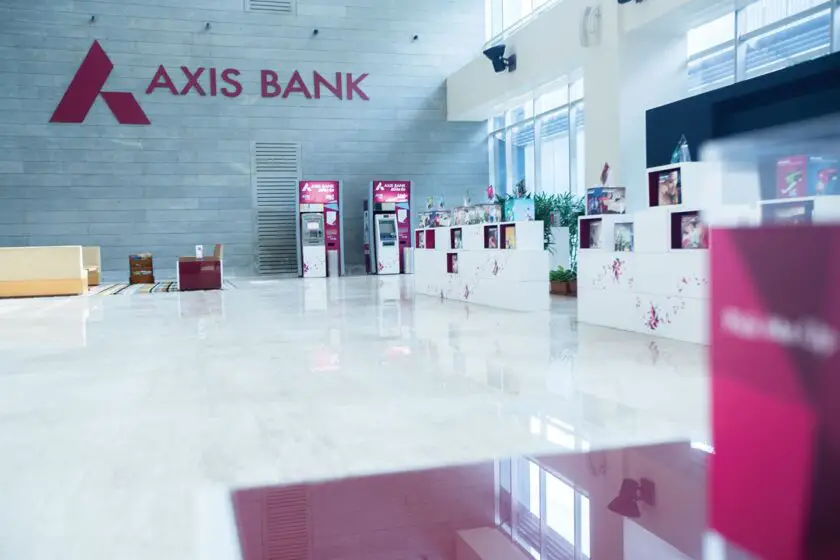
Recent fiscal statements demonstrate remarkable growth patterns that underscore the success of current business strategies.
The institution’s financial trajectory reveals strong operational effectiveness across multiple metrics.
This examination of key indicators provides valuable insights into how the company executes its strategic vision. The data reflects consistent improvement in core banking activities.
Analysis of Key Financial Metrics
FY2024 results show exceptional performance with total income reaching ₹137,989 crore. This represents substantial growth from previous years, highlighting effective revenue generation.
Net profit surged 160% to ₹26,427 crore, demonstrating significantly improved profitability. The institution’s net interest income grew 16% to ₹49,894 crore.
Operating profit increased 16% to ₹37,123 crore, indicating strong core banking performance. These metrics reflect superior asset-liability management strategies.
The net interest margin improved to 4.07%, showing better pricing power. Return on equity jumped to 16.80% from 8.33% in FY2023.
Balance sheet strength remains evident with deposits at ₹10,67,102 crore. Advances reached ₹9,99,333 crore while maintaining healthy capital adequacy.
As noted in recent financial research, such consistent growth patterns position institutions for sustainable expansion.
The business model effectively diversifies revenue streams while maintaining operational efficiency.
Conclusion
This strategic evaluation reveals a financial institution positioned at a critical juncture in India’s evolving banking landscape.
The comprehensive assessment demonstrates how digital innovation and market challenges intersect for this major private sector player.
The institution’s technological leadership and strong financial performance provide significant competitive advantages.
These strengths align well with emerging opportunities in digital services and underserved markets. As detailed in this comprehensive case study, the company’s diverse portfolio and extensive branch network support sustainable growth.
Future success will depend on balancing aggressive expansion with prudent risk management.
The organization must navigate intense competition while maintaining service quality across its customer base.
Strategic adaptation to changing market conditions will determine long-term positioning in the financial services sector.

I am Lazar Bojic, an established professional in digital marketing with almost a decade of experience. Specializing in an array of niches has been my main strength as a content creator. Besides being a content writer, I have participated in creating various other content types, including infographics and script writing for video content creators, across numerous niches. Among my standout works, content creation at wikibiography.in certainly holds a special place.