
This strategic evaluation examines a cornerstone of American infrastructure. As a government-authorized independent agency, it operates on a massive scale within a competitive commercial environment.
With over 31,000 offices nationwide, the organization forms an extensive physical network. It employs a workforce of more than 650,000 people. This operational power allows it to handle nearly 129 billion mail pieces annually.
Financially, the entity reported revenue of $78.5 billion in 2022. It holds a dominant 32% share of the domestic volume market. This positions it ahead of major private competitors.
This introduction sets the stage for a deeper look at its internal capabilities and external challenges. The goal is to understand its unique role and strategic direction for the future.
Introduction to the United States Postal Service SWOT Analysis
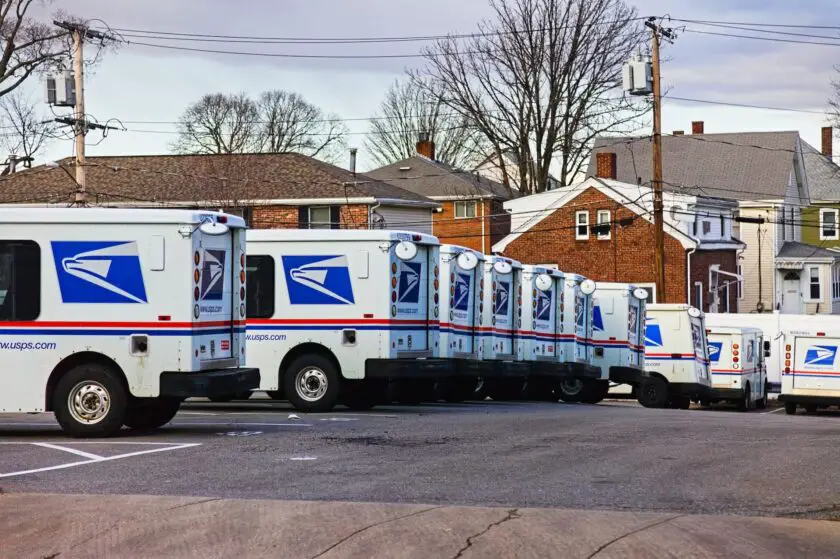
This evaluation examines a foundational American institution. Its strategic position is more complex than ever in the modern era.
Context and Relevance in Today’s Market
The organization’s role has transformed dramatically. It was once the primary method for personal and business communication.
Today, it competes directly with instant digital alternatives like email. It also faces fierce competition from private delivery companies. The agency must balance its universal service mandate with commercial needs.
Recent developments make this 2026 update crucial. The 2022 Reform Act and e-commerce growth are key factors. Understanding its current market position is vital for stakeholders.
Methodology Behind the Analysis
A SWOT analysis is a core business technique. It assesses internal capabilities and external market forces.
This framework helps identify pathways for sustainable operations. The evaluation is based on a comprehensive review of data.
Key sources for this analysis include:
- Recent financial and operational reports
- Industry performance comparisons
- Regulatory and policy documents
- Historical performance trends
This multi-dimensional approach ensures a credible and insightful strategic assessment.
Historical Evolution and Legacy of USPS

The story of this American institution begins in 1639 with a single post office in Boston. Its journey spans nearly four centuries, marking it as one of the nation’s oldest continuous entities.
This legacy of adaptation provides crucial context for its current strategic position. Understanding its past innovations helps explain its potential future pathways.
Foundational Milestones and Growth
A pivotal moment occurred in 1775 with Benjamin Franklin’s appointment. He dramatically improved efficiency by standardizing routes and cutting delivery times.
This established a framework for reliable national communication. Soon after, the first standardized rate was set at 25 cents for letters within 450 miles.
This created an accessible system for a growing nation. The organization’s early growth is detailed in a comprehensive case study of its operational evolution.
Technological Advancements Over the Century
The adoption of railroads in 1832 was a revolutionary leap. It significantly boosted delivery speed and capacity across longer distances.
To connect areas beyond the tracks, the legendary Pony Express launched in 1860. This system used horse-mounted riders to link Missouri and California.
The 20th century brought parcel post delivery, expanding services beyond letters. In the 1950s, automation arrived with letter sorters and facer-cancellers.
This technology dramatically increased daily processing capacity. The digital age saw a website launch in 1994 and an iPhone app in 2009, introducing features like package tracking.
This pattern shows a consistent embrace of innovation to stay relevant.
Detailed Strengths of USPS
The postal agency’s competitive advantages stem from a unique combination of scale, infrastructure, and public trust. These core strengths form a solid foundation for its market position.
Extensive Operational Network and Market Share
With 31,247 locations nationwide, the organization maintains an unparalleled physical presence. This network handles 128.9 billion mail pieces annually across all states and territories.
The agency commands a 32% volume share of the domestic market. This dominance outpaces private competitors in both reach and capacity.
E-commerce growth has transformed its revenue streams dramatically. Shipping and packages surged from 32% to 39% of total revenue between 2019 and 2020.
Revenue in this category grew by 25.3% in fiscal year 2020. This outperformed the previous year’s 18.8% growth rate.
Trusted Brand Image and Reliable Services
Centuries of consistent operation have built exceptional customer confidence. Consumers consistently rate it as the most reliable delivery service available.
Sustainability credentials further enhance its brand appeal. Packaging meets Sustainable Forestry Initiative and Forest Stewardship Council standards.
The universal service obligation creates a unique competitive advantage. This mandate ensures service to all Americans regardless of location.
These strengths create a formidable position in the delivery market.
Critical Weaknesses Impacting USPS Operations
Despite its extensive network, the institution faces critical weaknesses that threaten its competitive position. These internal vulnerabilities create significant barriers to operational efficiency and financial sustainability.
High Operational Costs and Workforce Challenges
Employing over 650,000 workers creates enormous labor expenses. This workforce structure significantly reduces profit margins and financial flexibility.
The organization has accumulated staggering losses exceeding $87 billion over 14 years. High debt levels and substantial retirement obligations further strain its financial position.
Geographical Limitations and Political Controversies
Unlike private competitors, the agency lacks international presence. This prevents revenue diversification through global operations.
The 2020 election controversy damaged public trust when operational changes caused widespread delivery delays. Lawmakers expressed concerns about ballot delivery timelines.
Persistent service complaints undermine the institution’s reputation for reliability. Major customers are expanding private delivery capabilities as alternatives.
Exploring Opportunities in the Digital Age
Digital transformation presents significant growth pathways for the nation’s mail carrier. The organization stands at a pivotal moment where technological adoption can drive substantial operational improvements.
Embracing Automation and Digitization
Advanced automation technologies offer powerful tools for cost reduction and efficiency gains. Implementing artificial intelligence and edge computing can revolutionize delivery operations.
These systems optimize routing patterns and enhance package tracking capabilities. The result is improved customer experience while reducing labor expenses.
The expanding e-commerce packaging sector represents another major opportunity. Online shopping growth creates increasing demand for reliable, affordable delivery services.
Demographic expansion through population growth naturally expands the potential customer base. Targeted marketing strategies, particularly through social media platforms, can help capture this growing market.
The planned transition to a complete electric vehicle fleet by 2035 will reduce fuel costs significantly. This move also positions the organization as an environmental leader while improving operational economics.
Leveraging PESTLE Analysis for Strategic Insight
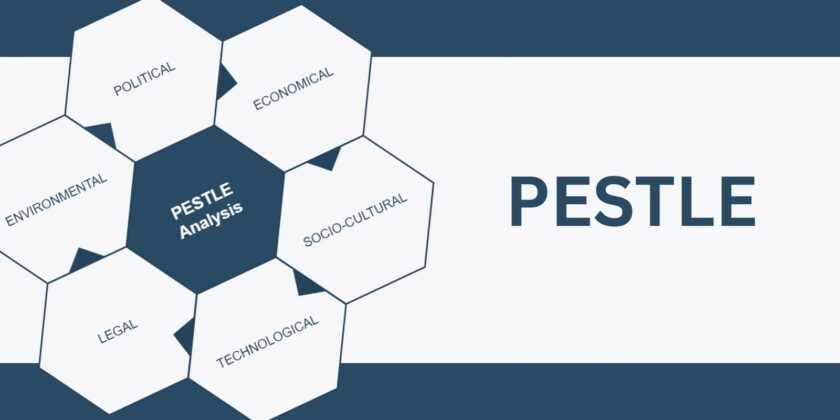
A broader strategic framework reveals deeper insights into the organization’s operating environment. The PESTLE model examines Political, Economic, Social, Technological, Legal, and Environmental factors.
This comprehensive approach complements internal assessment with external market scanning. It identifies both constraints and opportunities beyond immediate control.
Political and Economic Influences
The 2022 Reform Act represents transformative political support. Bipartisan Senate approval (79-19) provides nearly $50 billion in savings over ten years.
This legislation eliminates healthcare pre-funding mandates. It requires retired employees to enroll in Medicare when eligible.
The Biden administration plans $5 billion for election mail through 2032. This supports vote-by-mail initiatives with postage-free ballots.
Oil price fluctuations create significant economic vulnerability. This highlights the importance of the planned electric fleet transition by 2035.
Conclusion
This analysis culminates in a clear picture of strategic pathways forward for the organization. The comprehensive evaluation reveals how the entity’s unparalleled infrastructure and operational scale create unique competitive advantages.
The institution stands at a critical juncture where digital transformation and e-commerce adaptation will determine long-term viability. Strategic investments in automation and fleet electrification, supported by recent legislative reforms, provide a foundation for sustainable operations.
Future success depends on effectively leveraging core strengths while addressing systemic challenges. Despite intense competition, the organization possesses the scale and brand trust necessary for continued relevance through strategic execution of modernization initiatives.

I am Lazar Bojic, an established professional in digital marketing with almost a decade of experience. Specializing in an array of niches has been my main strength as a content creator. Besides being a content writer, I have participated in creating various other content types, including infographics and script writing for video content creators, across numerous niches. Among my standout works, content creation at wikibiography.in certainly holds a special place.