

The global beauty sector is a dynamic and highly competitive landscape. One company has consistently stood out as a leader in prestige retail. This article provides a strategic look at this major player’s market position.
Founded in 1969, the French beauty giant has grown into an international powerhouse. It operates thousands of stores across dozens of countries. As part of the LVMH family, the brand enjoys significant financial backing and prestige.
The company revolutionized shopping by letting customers test products freely. This open-sell format created a new standard for the entire industry. Its success is also driven by a powerful mix of third-party labels and its own product line.
In the United States, the brand has achieved remarkable recognition. A vast majority of consumers are familiar with its name. This strong presence forms a solid foundation for continued growth and innovation.
The following examination will explore the internal and external factors shaping its future. This structured review offers valuable insights for investors and industry watchers alike. Understanding these elements is key to navigating the complex beauty market.
Introduction to Sephora’s Global Presence and Market Impact

From a single French perfume shop to a global beauty empire, the company’s journey reflects decades of strategic expansion.
The brand now operates thousands of stores across dozens of countries worldwide. This massive retail network demonstrates remarkable business growth and market penetration.
Brand History and Expansion Milestones
Founded in 1969, the company revolutionized beauty retail by letting customers test products freely. The 1997 acquisition by luxury group LVMH provided resources for international growth. This partnership enabled rapid expansion into new markets.
The first American store opened in New York’s SoHo neighborhood in 1998. This marked the beginning of North American dominance. Today, over 700 locations operate across the region.
Global presence now spans 35 countries with 3,200 retail locations. The Middle Eastern market shows particular success with 66 stores across five countries. However, challenges remain, as seen in the recent exit from South Korea.
Digital Transformation and Retail Innovation
The company leads in blending physical and digital shopping experiences. Augmented reality tools like Virtual Artist allow customers to try products digitally. This innovation enhances the traditional store visit.
Recent partnerships, including the Kohl’s collaboration, extend market presence to suburban areas. The brand’s recognition as fastest-rising retailer in 2023 confirms its innovative approach. These strategies position the company for continued success in the evolving retail landscape, as detailed in our comprehensive market analysis.
Deep Dive into Strengths
Exceptional brand partnerships and cutting-edge shopping experiences form the foundation of this company’s market leadership. These core advantages create a powerful market position that competitors struggle to match.
Best-in-Class Innovation and Customer Experience
The company leads in beauty retail innovation with tools like Virtual Artist. This technology lets customers try products digitally before buying. It enhances the shopping experience significantly.
Forbes recognized the company as one of America’s Best Employers from 2018 to 2021. It also scored perfectly on the Human Rights Campaign’s Corporate Equality Index. This commitment to employees translates into superior customer service.
Global Brand Reputation and Exclusive Partnerships
Exclusive partnerships with sought-after beauty brands create competitive differentiation. Customers find products unavailable through other retail channels. This drives destination appeal for beauty enthusiasts.
The Beauty Insider loyalty program demonstrates exceptional customer engagement. Members spend nearly four times more annually than non-members. This program builds long-term customer relationships effectively.
The company offers over 300 brands across multiple beauty categories. This curated assortment addresses diverse customer needs and preferences. It positions the retailer as a comprehensive beauty destination.
Exploring Weaknesses in a Competitive Landscape
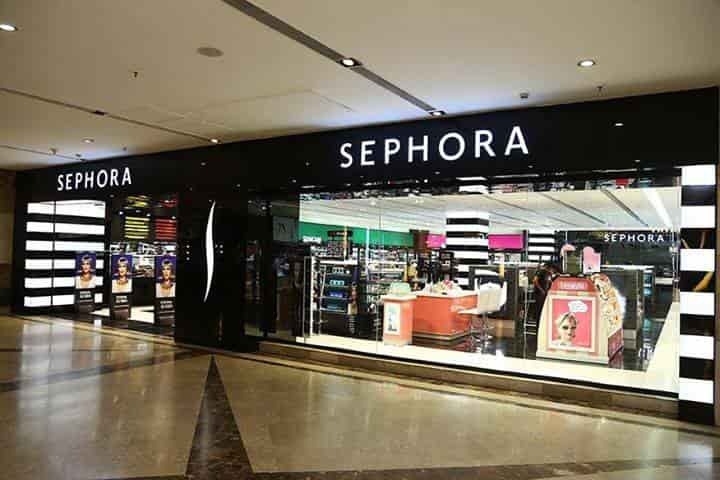
The retail giant’s impressive strengths are counterbalanced by notable vulnerabilities in its business model. These weaknesses require strategic attention to maintain competitive advantage.
Challenges in International Presence and Pricing Strategy
Sephora’s global presence remains limited to just 35 countries. This restricted market reach creates a significant weakness compared to competitors with broader international footprints.
The company’s premium pricing strategy positions products at higher price points than mass-market competitors. This approach limits accessibility for price-sensitive consumers.
Customer data reveals that 55% of shoppers have household incomes exceeding $85,000. This affluent customer base indicates limited appeal to budget-conscious beauty consumers.
Over-reliance on Physical Stores and Supply Chain Concerns
Despite online capabilities, most revenue comes from physical stores. This creates vulnerability to shifts in consumer shopping preferences.
Higher inventory levels compared to rivals tie up capital and reduce financial flexibility. Employee turnover rates also exceed industry averages, impacting service consistency.
Service quality varies across different store formats and regions. These inconsistencies can dilute the overall brand image and customer satisfaction.
Capitalizing on Market Opportunities
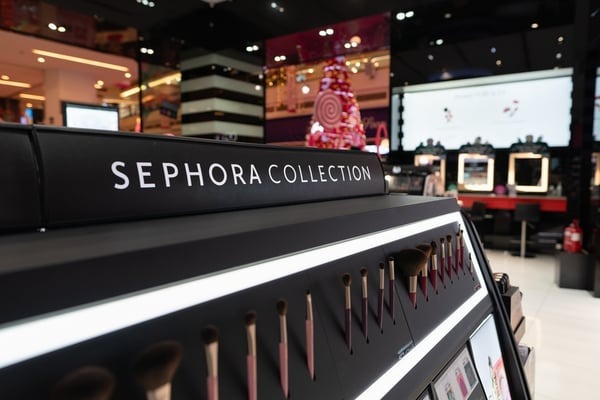
The evolving beauty landscape offers several promising pathways for expansion and revenue growth. These opportunities span geographic, demographic, and technological dimensions.
Consumer preferences are shifting toward sustainable and personalized beauty solutions. This creates fertile ground for innovation and market differentiation.
Expansion into Emerging Economies
International growth represents a significant opportunity. Partnerships in countries like India and China open access to new consumer bases.
Rising affluence in these markets increases demand for premium beauty products. The company can leverage its established brand reputation to capture this growth.
Leveraging Men’s Care and Premium Product Segments
The men’s grooming market shows remarkable expansion potential. This segment offers opportunities to diversify beyond traditional female-focused offerings.
Premium product lines like Sephora Luxe cater to affluent consumers seeking high-end makeup and skincare. These exclusive offerings command higher price points and margins.
Key growth areas include:
- Emerging market penetration through strategic partnerships
- Men’s skincare and grooming product expansion
- Sustainable and clean beauty offerings
- AI-powered personalized recommendations
The successful Kohl’s collaboration demonstrates the power of strategic partnerships. This model generated substantial revenue and can be replicated in other markets.
Technology integration presents additional opportunities. Artificial intelligence can enhance virtual try-ons and personalized skincare routines. These innovations address modern consumer demands.
For a deeper understanding of these strategic openings, review our comprehensive market analysis of current business conditions.
Navigating Competitive Threats and Industry Risks
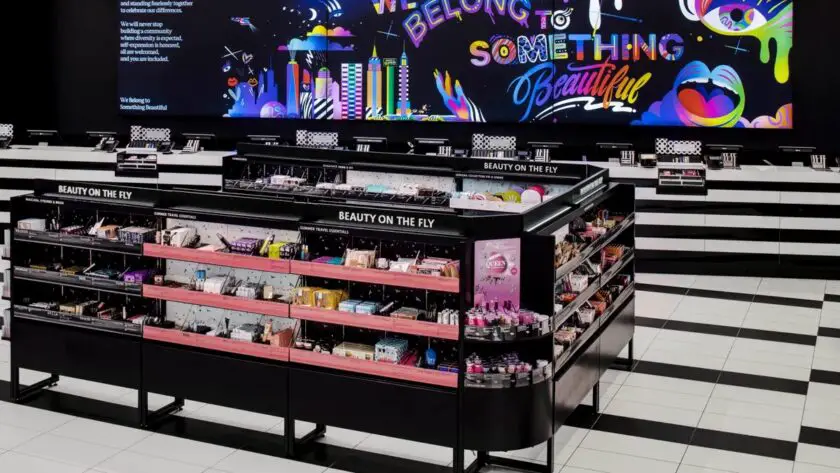
The prestige beauty market faces constant pressure from multiple competitive fronts that challenge even established leaders. This retailer operates in an environment where differentiation becomes increasingly difficult as players offer similar product categories.
Intense Industry Competition and Counterfeit Products
Ulta Beauty represents the most significant competitor with over 1,300 US locations. Their hybrid strategy appeals to both premium and budget-conscious consumers. This creates intense competition in the cosmetics sector.
Direct-to-consumer brands leveraging social media threaten traditional retail models. Younger consumers discover products through influencer recommendations rather than store visits. This disintermediation poses serious threats to established retailers.
Counterfeit cosmetics flood online marketplaces, eroding trust in authentic products. Consumers seeking cheaper alternatives often purchase replicas of premium brands. This directly impacts the perceived value of high-end cosmetics.
Regulatory and Economic Impact on Operations
Economic downturns significantly reduce spending on discretionary beauty items. Recent surveys show 50% of Gen Z consumers trading down to cheaper brands. Another 45% actively search for promotions during inflationary periods.
Tariff policies create additional operational challenges. The 15% tariffs imposed on beauty products from key regions increase costs. These expenses may force price increases that diminish competitiveness.
Brand controversies present reputational risks that require careful management. The beauty industry faces constant scrutiny regarding partnerships and brand associations. For a deeper understanding of these market dynamics, review our comprehensive strategic assessment.
Conclusion
The strategic examination reveals a beauty retailer with a strong market position and clear pathways for future growth. The company’s innovative approach to retail and digital integration provides a solid foundation.
Significant opportunities exist in emerging markets and underserved consumer segments. However, competitive pressures and economic factors require careful strategic planning.
The retailer’s extensive customer data offers potential for personalized product development. This could create unique value in an increasingly crowded marketplace.
For a deeper exploration of these strategic considerations, review our comprehensive market assessment. Continuous innovation and adaptation will determine long-term success in the evolving beauty industry.

I am Lazar Bojic, an established professional in digital marketing with almost a decade of experience. Specializing in an array of niches has been my main strength as a content creator. Besides being a content writer, I have participated in creating various other content types, including infographics and script writing for video content creators, across numerous niches. Among my standout works, content creation at wikibiography.in certainly holds a special place.