

Sarah sat in a quiet pew, her thumb tracing the smudged cross on her forehead. The grey mark didn’t feel like a heavy burden, but like a fresh start for her weary soul. Like many others, she sought a time to reset and find hope amidst the daily noise of life.
On February 18, 2026, many will join this ancient tradition to begin the Lenten season. It is a period for every heart to slow down and reflect on what matters most. Use this guide to strengthen your faith through reflection and grace.
This guide offers meaningful Ash Wednesday prayers with Bible verses to help you connect with God. Whether you seek a short prayer or deeper spiritual growth, these resources offer comfort. Every word is rooted in bible verses to keep your path steady and clear.
Embrace ash wednesday as a doorway to renewal. It is a moment to trade guilt for grace and prepare for Easter joy. This journey invites everyone into a deeper relationship with the Divine.
Key Takeaways
- Ash Wednesday 2026 falls on February 18th and begins the Lenten journey.
- The season focuses on spiritual renewal and hope rather than just obligation.
- Scripture-based resources provide a solid foundation for personal or communal reflection.
- The guide includes traditional and modern options for various church traditions.
- Lent serves as a forty-day preparation period leading toward the celebration of Easter.
- Simple spiritual practices make this holy time accessible to everyone regardless of experience.
What Is Ash Wednesday? Meaning, History & Biblical Roots
Many people recognize the symbolic soot on foreheads, but the true meaning of Ash Wednesday goes much deeper than a simple mark. This special day marks the beginning of the Lenten season, a forty-day journey of reflection and renewal. It serves as a quiet invitation for believers to prepare their hearts for the celebration of Easter.
This period acts as a spiritual doorway, encouraging the faithful to slow down and examine their lives. It is a time to turn back to God with genuine humility and contrition. By setting aside distractions, worshippers focus on their relationship with the Creator.
The Significance of Ash Wednesday in the Christian Calendar
Early Christians adopted the ancient practice of using ashes as a visible sign of repentance. Over time, the church organized this tradition into the liturgical observance we see today. It creates a bridge between ancient faith and modern devotion.
The observance reminds the church of human mortality and the constant need for divine grace. It is not intended to focus solely on guilt or shame. Instead, it opens a path toward spiritual transformation and a deeper connection with the Holy Spirit.
Biblical Foundations for Using Ashes in Worship
The biblical roots of this tradition appear throughout the Old Testament. The Bible shows individuals using ashes and dust to express humility and grief before God. This outward sign mirrors an internal desire to change one’s heart and seek mercy.
“Even now,” declares the Lord, “return to me with all your heart, with fasting and weeping and mourning.”
When a leader places a cross on a forehead, it reminds the person that they are but dust. This act connects modern worship with ancient patterns of repentance. It highlights the dual meaning of human frailty and the redemption found in Christ.
| Core Theme | Spiritual Focus | Biblical Connection |
|---|---|---|
| Mortality | Recognizing frailty | Genesis 3:19 |
| Penitence | Sincere dust and heart change | Joel 2:12 |
| Renewal | Preparation for Easter | Matthew 6:16 |
Does the Bible Mention Ash Wednesday?
While the name Ash Wednesday isn’t in the Bible, its core traditions come directly from ancient scripture. The Bible does not contain a specific command to observe this particular day. However, it is filled with stories of people who used outward signs to show their inner repentance.
God’s word often connects our physical state to our spiritual needs. In Genesis 3:19, the Lord reminds us of our mortality. This verse declares, “for dust you are and to dust you will return.” These powerful bible verses serve as the foundation for the tradition of using ashes to mark the start of Lent.
The church developed this observance over many centuries. It grew from a desire to create a structured time for everyone to seek God together. Even without a specific “holiday” name in the verses, the practice honors the biblical call to turn away from sin.
Old Testament Examples of Repentance with Ashes
The Old Testament provides many examples of people using ashes to show humility. Job is perhaps the most famous example of this deep spiritual grief. In Job 42:6, he says, “Therefore I despise myself and repent in dust ashes.”
Other leaders followed this same pattern during times of national crisis. In the book of Esther, many Jews mourned with weeping and lamenting while lying in sackcloth. Daniel also sought the Lord with a dedicated prayer and petition. He used these symbols to acknowledge the sins of his people and ask for mercy.
New Testament Teachings on Fasting and Prayer
In the New Testament, Jesus provided clear guidance on how to handle spiritual disciplines. He did not abolish the idea of fasting, but He did warn against doing it for public show. In Matthew 6:16-18, He encouraged believers to focus on their heart connection with the Father.
“But when you fast, put oil on your head and wash your face, so that it will not be obvious to others that you are fasting, but only to your Father, who is unseen.”
This teaching informs how we view repentance today. We use ashes not to look holy to others, but to remind ourselves of our need for grace. The tradition helps us transition into a season of quiet reflection and spiritual growth.
| Biblical Figure | Scripture Reference | Spiritual Practice |
|---|---|---|
| Job | Job 42:6 | Repenting in dust and ashes |
| Daniel | Daniel 9:3 | Pleading with prayer and fasting |
| The Jews | Esther 4:3 | Mourning with sackcloth and ashes |
| Jesus | Matthew 6:17 | Instruction on sincere fasting |
Ash Wednesday 2026: Service Liturgy and Key Dates
For those observing the liturgical calendar, February 18, 2026, serves as the gateway to forty days of reflection. This day launches the ash wednesday observance, which eventually leads to the celebration of Christ’s resurrection. It is a sacred time for transformation and personal growth.
Traditional Liturgy Structure for Ash Wednesday
A standard church service for this occasion offers a familiar structure. It proclaims the majesty of the Creator while inviting worshippers to practice fasting and prayer. The ritual typically includes Scripture readings from Joel and the Gospels.
Participating in corporate confession allows the community to seek renewal together. Many traditions also include Holy Communion as part of the worship gathering. Traditional readings like Isaiah 58:6-7 challenge believers to express authentic faith through compassion.
“Remove the chains of the prisoners… Share your food with everyone who is hungry… don’t turn away your relatives.”
Important Lent 2026 Dates to Remember
Marking the calendar for the 2026 year helps individuals stay intentional throughout the spring. The forty days of Lent mirror the period Jesus spent in the wilderness. Since Sundays are celebratory, the calendar does not count them in this specific timeframe.
| Observance | 2026 Date |
|---|---|
| Ash Wednesday | February 18, 2026 |
| Palm Sunday | March 29, 2026 |
| Good Friday | April 3, 2026 |
| Easter Sunday | April 5, 2026 |
This season provides a powerful opportunity to begin the ash wednesday journey with specific purpose. By following these dates, worshippers can better prepare for the most significant spiritual events. Each milestone offers a unique chance for prayerful meditation and internal renewal.
Why Do We Receive Ashes? Symbolism Explained
The tradition of marking the skin with remnants of fire holds a timeless message about the human condition and hope. Believers participate in a profound tradition that connects the past with the present. These ashes often come from burning the palm branches used during the previous year’s Palm Sunday.
This process links the joy of Christ’s entry into Jerusalem with the somber start of the Lenten season. It serves as a physical reminder of the journey through the forty days of Lent. The outward sign reflects a deep, inward desire to grow closer to God.

The Cross Mark on the Forehead
The priest or minister applies a visible mark to the forehead of each person in the congregation. This specific placement is not accidental, as it serves as a public witness of faith. It shows a personal commitment to repentance and unity with the whole Christian community.
This dark cross serves as a symbol of both death and eternal hope. While it identifies the believer with the suffering of Jesus, it also points toward the ultimate victory over the grave. The physical smudge on the forehead eventually fades, but the spiritual shift should remain in the heart.
Dust, Mortality, and Redemption Symbolism
The phrase “remember you are dust, and to dust you shall return” reminds everyone of their physical mortality. It is a humbling moment that puts daily struggles into a much larger perspective. This recognition of human frailty is the first step toward seeking redemption.
Through the lens of faith, these elements represent a desire for a new life. They embody humility and a turning away from distractions to focus on divine grace. Scripture reinforces this posture of the heart during the service.
Humble yourselves before the Lord, and he will lift you up.
By accepting this sign, the individual acknowledges that salvation comes from God alone. The outward ritual becomes an inward surrender, preparing the soul for the upcoming season. This transformation brings peace and a renewed sense of purpose to the faithful.
| Symbol Used | Core Meaning | Spiritual Action |
|---|---|---|
| Dust | Human Mortality | Practicing Humility |
| Cross | Redemption | Public Witness |
| Ashes | Repentance | Inward Surrender |
Classic Ash Wednesday Opening Prayers
Finding the right words to begin the journey toward Easter involves acknowledging our need for divine mercy. An opening prayer on ash wednesday sets the tone for the entire Lenten journey. It acknowledges human sinfulness while trusting in God’s steadfast love.
Whether attending a local church service or praying at home, this moment centers the heart. It provides a transition from daily distractions into a sacred space. Believers use this time to focus on spiritual transformation and honest self-reflection.
Traditional Opening Prayer for Worship Services
Traditional opening prayers for an ash wednesday gathering follow a meaningful pattern. They begin by invoking God’s presence and acknowledging human weakness. These prayers request cleansing and renewal for the forty-day journey ahead.
Church leaders often ground these devotions in biblical language. Psalm 51:7 serves as a common anchor for these moments: “Wash me, and I shall be whiter than snow.” This scriptural foundation reminds the congregation that forgiveness remains available to all who seek it.
“Gracious and eternal God, as we gather at the doorway of Lent, quiet our heart and turn our minds toward You. Create in us a spirit of repentance and lead us into deeper faith.”
10 Classic Opening Prayers for Ash Wednesday
This guide provides a collection of ten traditional prayer options to begin your worship. These selections balance the solemn acknowledgment of sin with a confident trust in grace. They help create a space where authentic transformation can finally begin.
- The Prayer of Humble Repentance: A plea for a clean spirit and a renewed mind.
- The Invocation of Divine Mercy: Focusing on God’s willingness to forgive the repentant.
- The Call to the Lenten Fast: A petition for strength during the coming forty days.
- The Prayer for a New Heart: Asking the Father to replace stone with flesh.
- The Light of Hope: A reminder that the darkness of the cross leads to the hope of the resurrection.
- The Prayer of Mortal Dust: Reflecting on our humanity and God’s eternal nature.
- The Request for Spiritual Guidance: Asking the Holy Spirit to direct every step toward Easter.
- The Prayer of Sincere Contrition: Moving past shallow rituals toward true internal change.
- The Invitation to Stillness: Quieting the noise of the world to hear the divine voice.
- The Covenant Prayer: Reaffirming a commitment to walk closely with Christ.
Ash Wednesday Prayers With Bible Verses
Starting the forty-day fast with Ash Wednesday prayers with Bible verses reminds us that God’s mercy is always near. Even as people consider their human flaws, these spiritual words point directly to the hope found in the cross. They provide a bridge between the dust of our mortality and the glory of divine grace.
We give thanks because death has no sting or victory because of Jesus. This season invites everyone to look past the ashes and see the light of redemption. Using these holy words helps turn a heavy spirit toward a path of lasting joy.
Prayer of Thanksgiving with Scripture
One of the most powerful ways to approach this day is through a prayer of deep gratitude. While the ashes remind us of our limits, specific bible verses highlight God’s infinite love. Believers find peace knowing that the mark on the forehead is a sign of future restoration.
“The time has come… The kingdom of God has come near. Repent and believe the good news!”
Integrating this scripture into worship reminds us that acknowledgment of sin leads to mercy rather than despair. The verses we read today celebrate how believers await the full renewal of all things. Every humble request for forgiveness becomes a celebration of Christ’s victory over the grave.
10 Short Prayers for Daily Devotion
Many people lack the time for long worship sessions during a busy work day. These short bible verses and requests are perfect for a quick devotion. They help keep the heart focused on faith as the Lenten journey begins.
- 1. Lord, create in me a humble heart as I begin this Lenten journey.
- 2. Father, forgive my sins and lead me back to Your grace.
- 3. God of mercy, cleanse my spirit and renew my soul today.
- 4. Lord, help me to turn away from sin and be faithful to the Gospel.
- 5. May these ashes remind me of Your love that never ends.
- 6. Jesus, give me the strength to walk with You for forty days.
- 7. Holy Spirit, guide my thoughts toward things that please You.
- 8. Father, I surrender my pride and seek Your humble path.
- 9. God, let Your light shine through my brokenness this season.
- 10. Lord, teach me to offer every prayer with sincerity and truth.
These brief entries serve as a practical resource for the next forty days. Readers discover fresh language for approaching God when personal words feel repetitive. Even a short moment of faith can transform an entire day during this holy time.
| Lenten Theme | Biblical Basis | Devotional Focus |
|---|---|---|
| Repentance | Mark 1:15 | Turning back to God |
| Mortality | Genesis 3:19 | Remembering our limits |
| Renewal | Psalm 51:10 | Seeking a clean heart |
| Grace | Joel 2:13 | Relying on God’s mercy |
Prayer When Receiving Ashes at the Cross
Receiving the mark of the cross is a physical act that speaks louder than many words can express. This brief moment feels both quiet and powerful for every person in the pews. As the priest makes the sign on the forehead, believers feel a call to humility. It is a unique way to experience God’s deep mercy through a tangible touch of ashes.
Words to Say During the Imposition of Ashes
Many people look for a simple ash wednesday prayer to whisper during this sacred pause. One may choose to say nothing at all, simply resting in God’s presence. This quiet surrender allows the heart to hear the Gospel more clearly. Others find comfort in the words of John 3:30, which reminds them to put God first.
“He must increase, but I must decrease.”
While there is no single correct response, these short phrases can guide the heart during the service:
- “Lord, I am yours; take all of me.”
- “Thank you for your grace and new life.”
- “Help me to walk closer to you this Lent.”
Reflections on Mortality and Mercy
The dark dust serves as a sobering reminder of death and human limits. However, when applied in a specific shape, it also signals a great hope. This dual meaning helps a person face the reality of sin while clinging to divine mercy. It connects the visible mark on the skin to an invisible change in the soul.
| Symbol | Meaning | Spiritual Focus |
|---|---|---|
| Ashes | Mortality | Humility and Dust |
| The Cross | Redemption | Sacrifice and Love |
| The Forehead | Public Witness | Inward Surrender |
This physical sensation makes abstract concepts like grace feel very real. It reminds the believer that they are not alone in their struggle. By accepting the mark, they join a community seeking transformation and light.
Ash Wednesday Prayer Catholic Tradition
The Catholic approach to Ash Wednesday blends ancient liturgical practices with a deep call to personal transformation. This day begins a holy journey within the church that connects the past year to the present. The clergy makes the ashes by burning palms used on the previous Palm Sunday, linking the Savior’s triumph to our humble repentance.
This cycle reminds the faithful that glory on earth is temporary. It invites believers to enter a season of quiet reflection and sacrifice. By using the old palms, the liturgy shows how celebration and penance work together in the Christian walk.
Traditional Catholic Prayers for Ash Wednesday
Catholics view this day as a vital time for sacramental preparation. The focus rests heavily on confession and receiving the mercy of the father. Scripture grounds these practices, particularly the promise found in 1 John 1:9.
“If we confess our sins, he is faithful and just to forgive us our sins.”
The prayer life during this season prepares the soul for the Eucharist. One classic prayer from the Roman Missal emphasizes God’s universal love. It states, “Almighty and everlasting God, You hate nothing You have made and forgive the sins of all who are penitent.”
This traditional language invites every person to seek a new life through Christ. The liturgy guides the heart toward salvation by emphasizing the need for a clean spirit. Every gesture in the service points toward the ultimate hope of the resurrection.
10 Catholic Prayers with Liturgical Elements
These short prayers help believers maintain focus during the mass. They often echo themes of divine grace and the intercession of the saints.
- “Lord, grant us a spirit of repentance as we begin this holy fast.”
- “Heavenly father, wash away my sins and make me clean in Your sight.”
- “Through the mercy of God, may we find lasting peace this ash wednesday.”
- “Lord, let these ashes be a physical sign of my internal change.”
- “Holy Mary, Mother of God, pray for us sinners during this Lenten season.”
- “Grant us, O Lord, a heart of flesh to replace our heart of stone.”
- “May this ash wednesday mark the start of my true conversion.”
- “Lord, guide our community toward the joy of the coming resurrection.”
- “Help me, O God, to die to my old self and live only for You.”
- “Bless this prayer and my Lenten sacrifices, O Lord of all grace.”
Catholic services follow a structured flow that keeps the focus on Christ. Each part of the liturgy serves a specific spiritual purpose for the congregation.
| Liturgical Element | Spiritual Significance | Biblical Connection |
|---|---|---|
| Liturgy of the Word | Reflecting on God’s Voice | Hebrews 4:12 |
| Imposition of Ashes | Sign of Human Mortality | Genesis 3:19 |
| Confession | Spiritual Cleansing | 1 John 1:9 |
| The Eucharist | Communion with Christ | John 6:54 |
Anglican Prayers for Ash Wednesday
Anglican prayers for ash wednesday often provide a timeless bridge between ancient liturgy and personal devotion. These petitions focus heavily on the grace of the father and the need for a changed heart. This tradition balances formal structure with a deep, personal yearning for God’s presence.
Book of Common Prayer Tradition
The Book of Common Prayer has guided English-speaking worshipers for hundreds of years. It offers a structured way to approach God with honesty and humility. Worshipers draw these prayers from a heritage that values both the beauty of language and the necessity of sin confession.
“Almighty and everlasting God, who hatest nothing that Thou hast made and dost forgive the sins of all who are penitent: Create and make in us new and contrite hearts.”
The Anglican service typically starts with a call to self-examination. This process leads to a corporate confession where the entire community admits their failings. Afterward, a priestly declaration of mercy reminds the people of the father and His unending love for the world.
Scripture occupies a central place in these prayers. Many use words from the Psalms to express a desire for repentance. For instance, Psalm 139:23 anchors the believer’s faith in God’s presence. It says:
“Search me, O God, and know my heart; test me and know my anxious thoughts.”
10 Anglican Prayers for the Lenten Season
These short prayers help believers maintain their focus on spiritual growth during Lent. They offer a sense of hope for transformation through the following themes:
- A daily prayer for a clean heart to start the holy fast.
- A petition for strength to resist the world’s daily temptations.
- A prayer of repentance for missed chances to show love to others.
- A request for God to guide the wandering soul back to the path.
- A prayer for clarity when reading and studying the Holy Scriptures.
- A devotion focused on the suffering and sacrifice of Jesus Christ.
- A prayer for the courage to serve the poor and the marginalized.
- A petition for peace and unity within the local church community.
- A consistent prayer for discipline in fasting and quiet study.
- A concluding blessing to sustain the spirit for the long journey.
The Anglican liturgy ensures that the Lenten season remains a time of renewal rather than just a ritual. By using these established words, individuals join a global community of faith. This structure provides a firm foundation for the weeks leading up to Easter.
| Liturgical Phase | Spiritual Objective | Key Bible Reference |
|---|---|---|
| Self-Examination | Identifying areas for growth | Psalm 139:23 |
| Corporate Confession | Unity in collective repentance | 1 John 1:9 |
| Declaration of Mercy | Assurance of God’s grace | Psalm 103:12 |
| Lenten Blessing | Perseverance through the fast | Matthew 4:4 |
Opening Prayer for Ash Wednesday Service
Launching a service on this holy day requires a thoughtful prayer that balances the weight of mortality with the light of grace. An opening prayer for an ash wednesday service sets the spiritual atmosphere for the entire event. It invites the congregation to reflect and prepare their minds for a season of renewal.
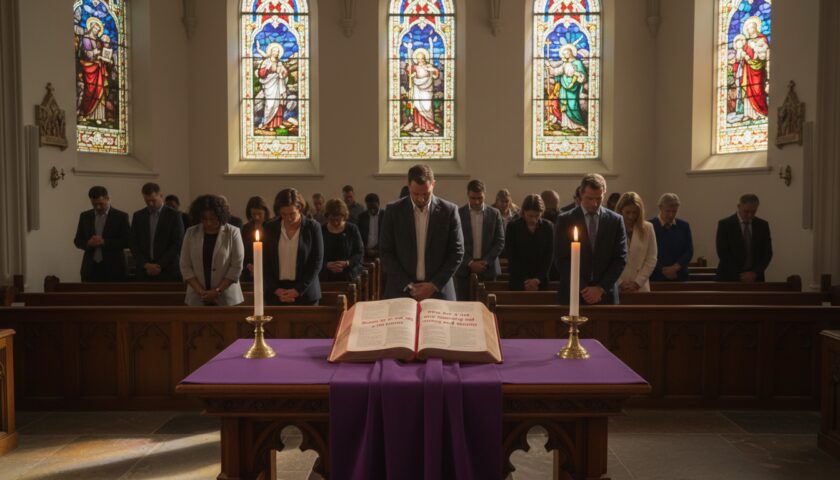
Whether the gathering happens in a large church or a small chapel, this moment anchors the community. Scripture reminds us in James 4:8 to “Draw near to God, and he will draw near to you.” This promise provided a solid foundation for the wednesday prayer that began the Lenten journey for many believers.
Setting the Tone for Corporate Worship
An effective service followed a specific spiritual flow that moved from outward distractions to inward reflection. It often began with a Call to Worship, turning the heart of each person toward the Creator. This transition helped the people leave behind the noise of the world and enter into sacred time.
Worship leaders delivered these prayers with a sense of gravity to respect the occasion. However, they avoided making the atmosphere feel heavy with oppressive guilt. The goal was to maintain a balance between solemn reflection and a confident hope in God’s grace. This approach ensured that the gathering felt both honest and inviting for the congregation.
10 Service Opening Prayers for Churches
Church leaders used these prayers to guide their visitors into a state of humility and reverence. Each prayer focused on seeking mercy and acknowledging human limitations while preparing for the liturgical journey ahead.
- “Almighty God, as we gather at the beginning of this holy season, quiet our hearts before You.”
- “Lord, help us to see our need for Your grace as we start this journey together.”
- “Grant us the courage to face our shadows and find Your light in this service.”
- “Heavenly Father, unite this congregation in a spirit of true repentance and love.”
- “We pray for a heart that is open to Your transforming power today.”
- “May this time of worship be a moment of deep connection with Your Holy Spirit.”
- “God of mercy, lead us from the ashes of our past into the beauty of Your future.”
- “We seek Your presence in this house as we begin the fast of Lent.”
- “Help us to remember our dust and celebrate the gift of Your eternal life.”
- “Let this ash wednesday be the start of a profound spiritual awakening for us all.”
| Liturgical Element | Primary Focus | Spiritual Goal |
|---|---|---|
| Call to Worship | Turning toward God | Sacred Transition |
| Scripture Reading | Hearing God’s Word | Listening and Reflection |
| Confession | Acknowledging Sin | Corporate Repentance |
| Imposition of Ashes | Mortal Reminder | Visible Commitment |
| Benediction | Sending Forth | Embracing Divine Hope |
Conclusion
Ash Wednesday serves as a meaningful doorway into a transformative forty-day journey. This important time allows believers to move toward the profound joy of resurrection. By using these prayers and Scripture verses, one can experience genuine spiritual growth throughout the lenten season.
Whether following Catholic, Anglican, or Protestant traditions, the core themes of faith remain consistent. This involves acknowledging human frailty while seeking God’s mercy. While the ash mark fades quickly, the commitments made on ash wednesday lead to lasting change.
A faithful person finds fresh hope in the light of Easter morning. Every step brings one closer to the celebration of new life. Returning to these resources ensures that the heart stays focused on the path of ash wednesday redemption.
| Lenten Focus Area | Spiritual Benefit |
|---|---|
| Daily Prayer | Renewed focus on God |
| Scripture Study | Scriptural encouragement |
| Acts of Service | Lasting transformation |
FAQ
What is the meaning of the dark smudge on the forehead?
This mark acts as a sign of mourning for past sins. It shows a humble heart seeking mercy from the Father. Most people receive ashes during a church service to start the Lenten season. This physical act connects the faith of the believer to the sacrifice of the cross.
Why is Genesis 3:19 significant during this time?
This passage tells everyone they are dust and shall return to it. It reminds the world that human life is short. By facing the reality of death, individuals find a new way to live. This reflection points toward the hope of eternal life and the eventual resurrection.
How do believers use the ash wednesday prayer to repent?
They repent dust and charcoal style by acknowledging their sin. Through this specific wednesday prayer, they therefore despise their old ways and seek a place of grace. It is a day of fasting and seeking the divine presence for the coming forty days.
What is the purpose of the repent dust ashes ritual?
This tradition allows for quiet reflection on personal sins and the need for salvation. The community joins together in worship to find joy that comes from a clean spirit. Each year, the face of the believer is marked to show their commitment to a holy life. This prayer helps them focus on repentance. They often use repent dust ashes to show their humble state before the creator.
